Tracing Aggregated Session Logs Across Reel Machines and Card Encounters via Shared Profile Networks at Multi-State Properties
Alex Neumann · Jun 25, 2026
Tracing Aggregated Session Logs Across Reel Machines and Card Encounters via Shared Profile Networks at Multi-State Properties
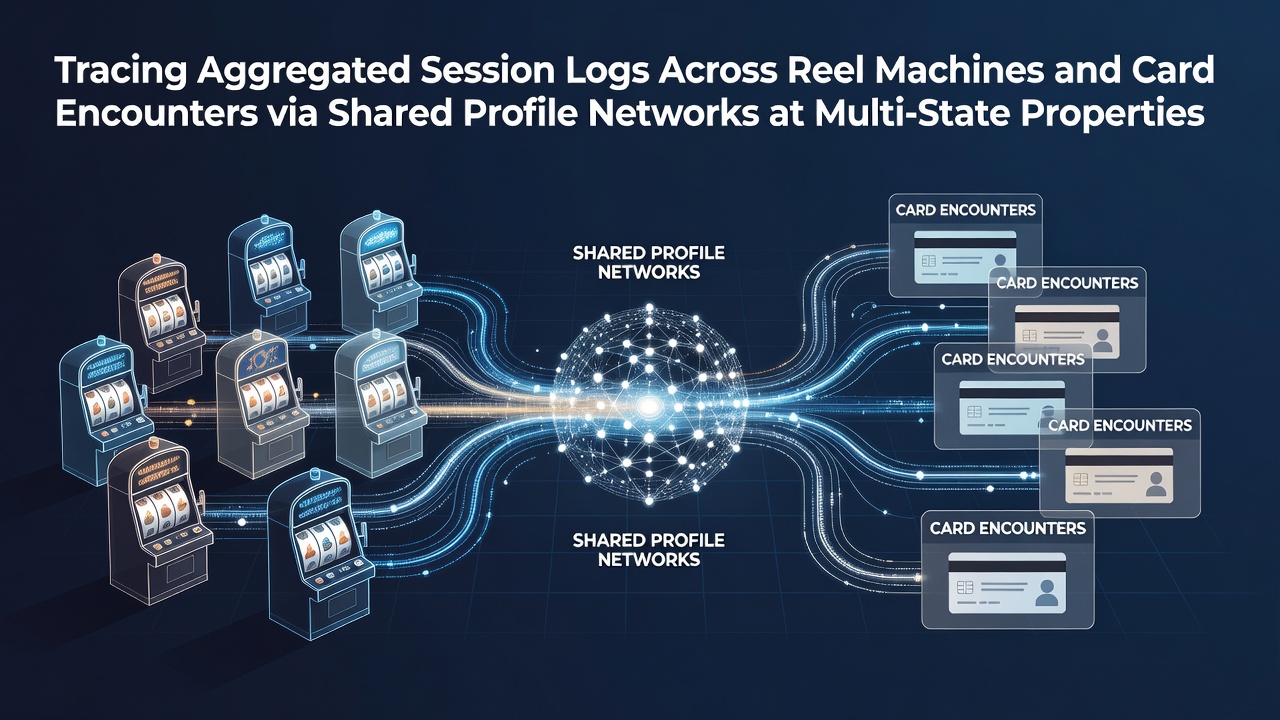
Operators at multi-state casino properties maintain systems that collect and aggregate session logs from reel machines alongside card table encounters through unified player profiles, and these networks enable cross-property data flows while operators comply with varying state regulations. Data collection begins at individual terminals where loyalty accounts record spin counts, wager amounts, and session durations on slots, then extends to table games where dealers or electronic systems log buy-ins, hand counts, and average bet sizes under the same profile identifier.
Core Components of Session Logging Infrastructure
Reel machine logs capture metrics such as reel stop positions, bonus trigger frequencies, and coin-in totals, whereas card encounter data includes decisions tracked via RFID chips or manual entry at blackjack, poker, and baccarat tables. Shared profile networks consolidate these inputs into centralized databases that operators access across state lines, and synchronization occurs through encrypted APIs that update in real time during active play. One operator with properties in Nevada and New Jersey implemented profile linking in 2024 that allowed session continuity for travelers moving between sites, while separate state servers retained jurisdiction-specific compliance records.
Cross-Game Data Aggregation Practices
Aggregation processes merge slot session files with table game entries by matching timestamps and account IDs, which creates composite activity histories that highlight patterns such as transitions from automated reels to live dealer interactions. Systems apply algorithms to normalize units across game types, converting slot coin-in figures into equivalent table game handle values for unified reporting, and these consolidated datasets support operational reviews at properties spanning multiple jurisdictions. Research from the University of Nevada, Las Vegas indicates that such aggregation supports internal audits without violating individual state data retention rules, according to findings published in their gaming management reports.
Multi-state operators face distinct challenges when routing logs through shared networks because each jurisdiction imposes unique requirements on data storage duration and access controls. Nevada systems might retain detailed logs for five years while Pennsylvania mandates shorter cycles for certain transaction types, so profile networks segment records accordingly before aggregation occurs. During June 2026 several properties updated their middleware to handle these variations automatically, which reduced manual reconciliation tasks while maintaining audit trails for regulators in each state.
Technical Synchronization Across Properties
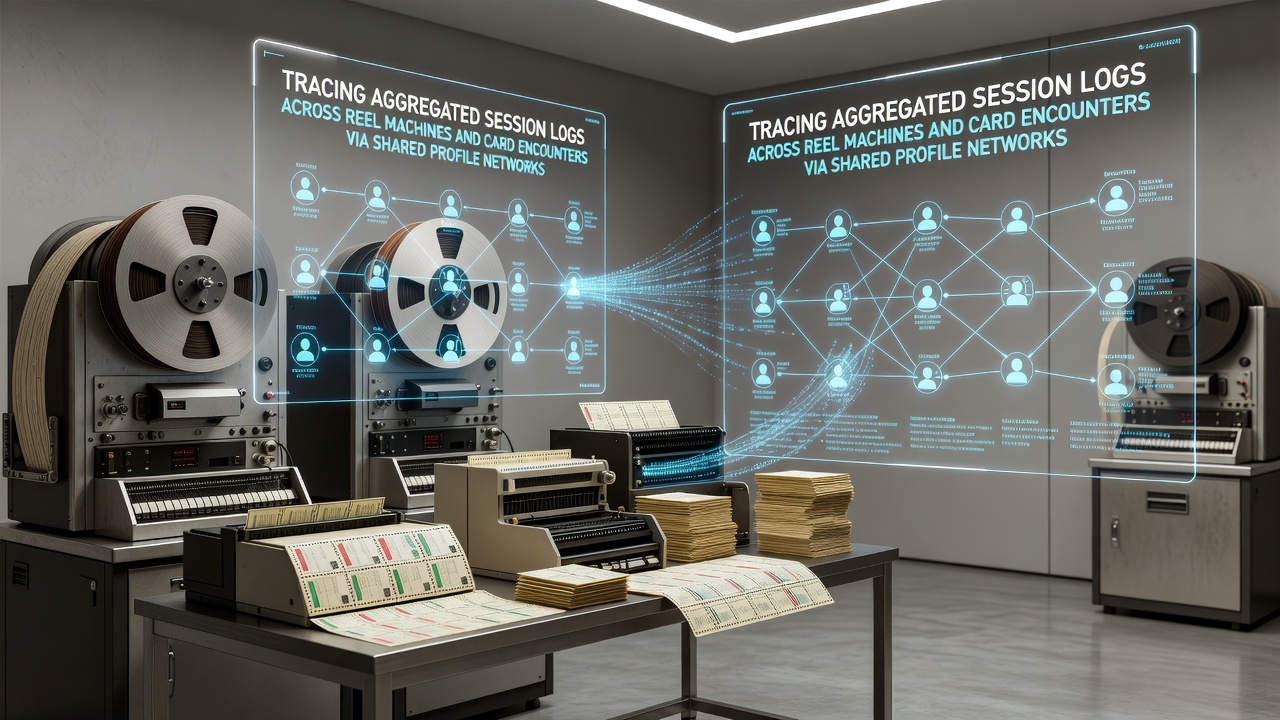
Profile networks rely on cloud-hosted or on-premise servers that receive encrypted packets from both reel machines and table management systems, then apply matching rules to merge records under single accounts. When a player shifts from a bank of slots to a nearby card pit the network updates the active session without requiring re-authentication at most integrated resorts, and this seamless handoff depends on consistent timestamp synchronization across all connected devices. Observers note that latency under 500 milliseconds remains standard for these updates at major multi-state groups, which prevents discrepancies during extended play periods.
Regulatory and Compliance Considerations
State gaming control boards review aggregated logs during routine inspections to verify that operators track responsible gaming markers and tax obligations accurately across game categories. The Nevada Gaming Control Board publishes annual summaries of player tracking system audits that reference multi-property data handling, while similar oversight from the New Jersey Division of Gaming Enforcement emphasizes separation of promotional and regulatory datasets. Operators must segment aggregated records so that cross-state profile sharing does not inadvertently combine data streams prohibited under any single jurisdiction's rules.
Industry reports from the American Gaming Association highlight that profile networks have expanded since 2023 to accommodate mobile app integrations, which further extend session logging from on-site machines to remote play options at select properties. These extensions require additional encryption layers and consent management tools that differ by state, yet maintain the core aggregation logic that links reel activity with subsequent table encounters under unified accounts.
Conclusion
Tracing aggregated session logs across reel machines and card encounters through shared profile networks continues to evolve at multi-state casino properties as operators refine synchronization methods and regulatory frameworks adapt to new data practices. The infrastructure supports operational continuity while preserving jurisdiction-specific controls, and ongoing technical updates in 2026 reflect efforts to balance cross-property visibility with compliance demands in each operating region.