Synchronization Methods Linking Mobile Slot Data with Live Table Adjustments
Alex Neumann · May 24, 2026
Synchronization Methods Linking Mobile Slot Data with Live Table Adjustments
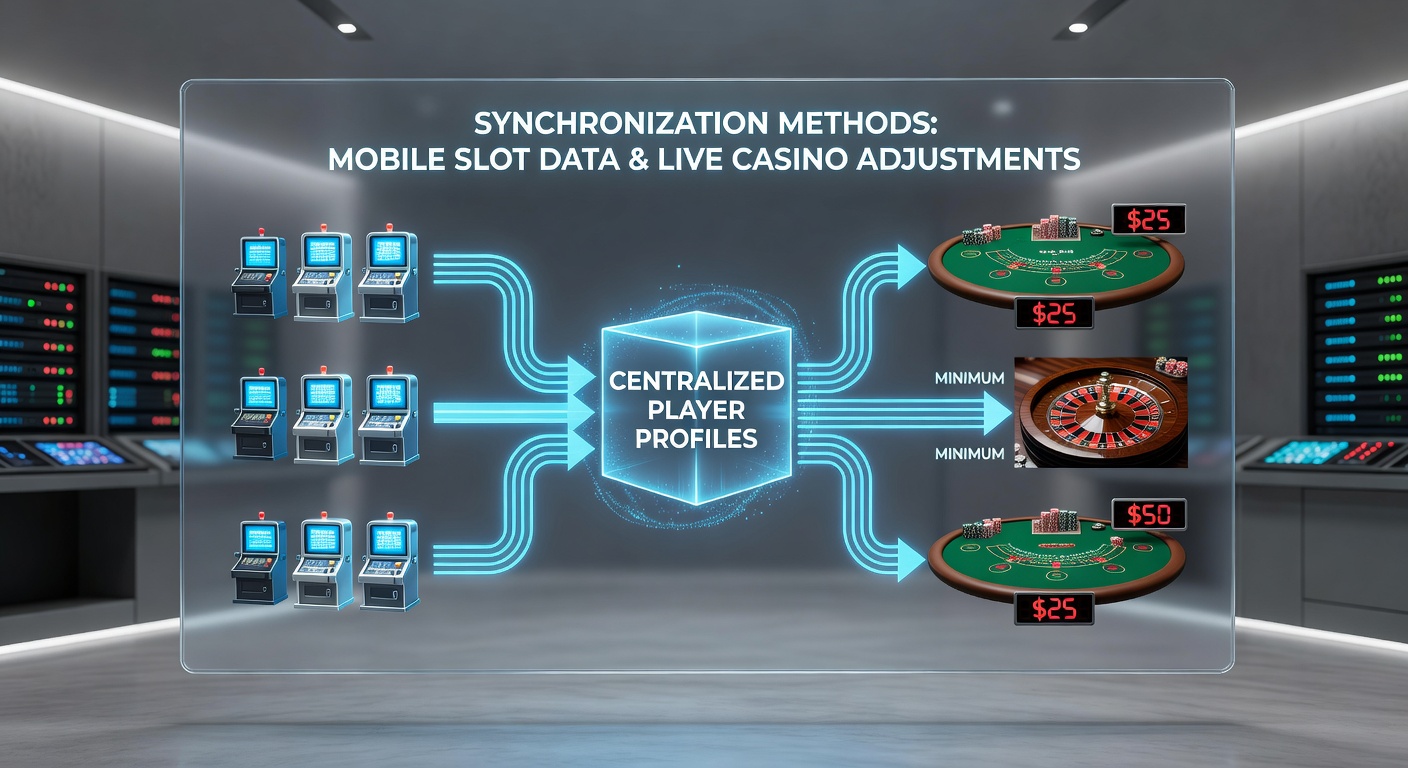
Centralized player profiles serve as the core infrastructure that pulls mobile slot session metrics into live casino environments, allowing operators to adjust table minimums based on aggregated play patterns from apps and devices. These systems collect data points such as spin frequency, average bet sizes, session duration, and bonus triggers from mobile platforms, then route that information through secure servers to floor management tools used by pit bosses and table supervisors. Research from the University of Nevada, Las Vegas shows how integrated resort operators deploy these profiles to maintain consistent player experiences across channels without requiring separate logins or manual data transfers.
Operators achieve synchronization by embedding unique identifiers within loyalty program accounts that track activity in real time, feeding slot data into algorithms that recommend table minimum changes during peak hours or promotional periods. The process relies on application programming interfaces that connect mobile gaming servers with property management systems, ensuring updates occur within seconds rather than minutes. Data shows that properties using these methods can shift minimums from $15 to $25 or higher when profiles indicate sustained high-volume slot play from the same account holder.
Centralized Profiles as the Data Hub
Centralized profiles compile information from multiple touchpoints into a single record that includes both virtual and physical activity, creating a unified view that drives operational decisions on the casino floor. Slot session details like coin-in totals and win-loss ratios flow directly into these records, which then interface with table game databases to flag accounts eligible for adjusted limits. Observers note that this setup reduces the need for players to present physical cards at every station, since digital profiles handle verification automatically through facial recognition or mobile beacons in many modern implementations.
Those who manage these systems emphasize the role of encryption protocols and access controls that keep sensitive financial data isolated while still allowing cross-channel visibility for authorized staff. In practice, a player completing a 45-minute mobile slot session with consistent $5 bets might trigger an automated suggestion to lower an adjacent blackjack table minimum if the profile shows loyalty tier status and recent deposit activity. Such adjustments occur through dashboards that pit personnel monitor, with overrides available when manual review indicates unusual patterns.
Technical Synchronization Techniques
Real-time data pipelines form the backbone of these connections, using event-driven architectures that push mobile slot updates into shared databases accessible by live table systems. Casinos often employ middleware layers that normalize data formats from different game providers, ensuring slot metrics from third-party apps align wth internal table tracking software. Figures from industry reports reveal that these pipelines handle thousands of concurrent sessions during busy periods, with latency kept under three seconds to support dynamic minimum adjustments.

API gateways manage the flow between mobile platforms and floor systems, authenticating requests and logging every data exchange for compliance audits. Machine learning models analyze historical patterns within profiles to predict when slot activity warrants table minimum shifts, such as increasing limits near high-limit rooms when profiles show elevated mobile engagement. According to data from the Nevada Gaming Control Board, properties must maintain detailed logs of these automated decisions to demonstrate fairness and regulatory adherence during inspections.
Implementation Across Integrated Resorts
Integrated resorts apply these synchronization methods at scale by linking mobile apps directly to property-wide networks that cover slot banks, table pits, and sportsbooks. A single profile can influence minimums at multiple table types, including blackjack, roulette, and baccarat, based on slot-derived risk scores calculated in the background. Staff training programs focus on interpreting profile alerts so supervisors understand the data sources behind each recommendation rather than treating adjustments as arbitrary.
Regional variations exist, with some Canadian properties under the Alcohol and Gaming Commission of Ontario incorporating additional privacy layers that require explicit player consent before cross-channel data sharing activates. These approaches still achieve synchronization but route profile updates through separate consent modules that players toggle within their mobile accounts. The result maintains operational efficiency while meeting stricter data protection standards that differ from U.S. frameworks.
Future Developments Projected for 2026
Industry planning documents indicate expanded use of these synchronization methods by May 2026, with upgrades to 5G-enabled mobile networks expected to reduce data transmission delays even further. Developers continue refining algorithms that correlate slot session streaks with table game participation rates, aiming to create smoother transitions for players moving between device-based and physical play. Regulatory bodies continue reviewing these tools to ensure adjustments remain transparent and non-discriminatory across all account types.
Conclusion
Centralized player profiles combined with synchronized data pipelines enable casinos to connect mobile slot activity directly to live table minimum decisions through established technical and operational frameworks. These methods rely on secure APIs, normalized data formats, and compliance logging that support both efficiency and regulatory requirements across different jurisdictions. As networks advance, the same principles continue guiding how operators manage cross-channel player experiences in integrated environments.