Sequential Reel Analytics Guiding Hybrid Venue Wagering Pacing Through Unified Tracking Mechanisms
Anna Long · Jul 9, 2026
Sequential Reel Analytics Guiding Hybrid Venue Wagering Pacing Through Unified Tracking Mechanisms
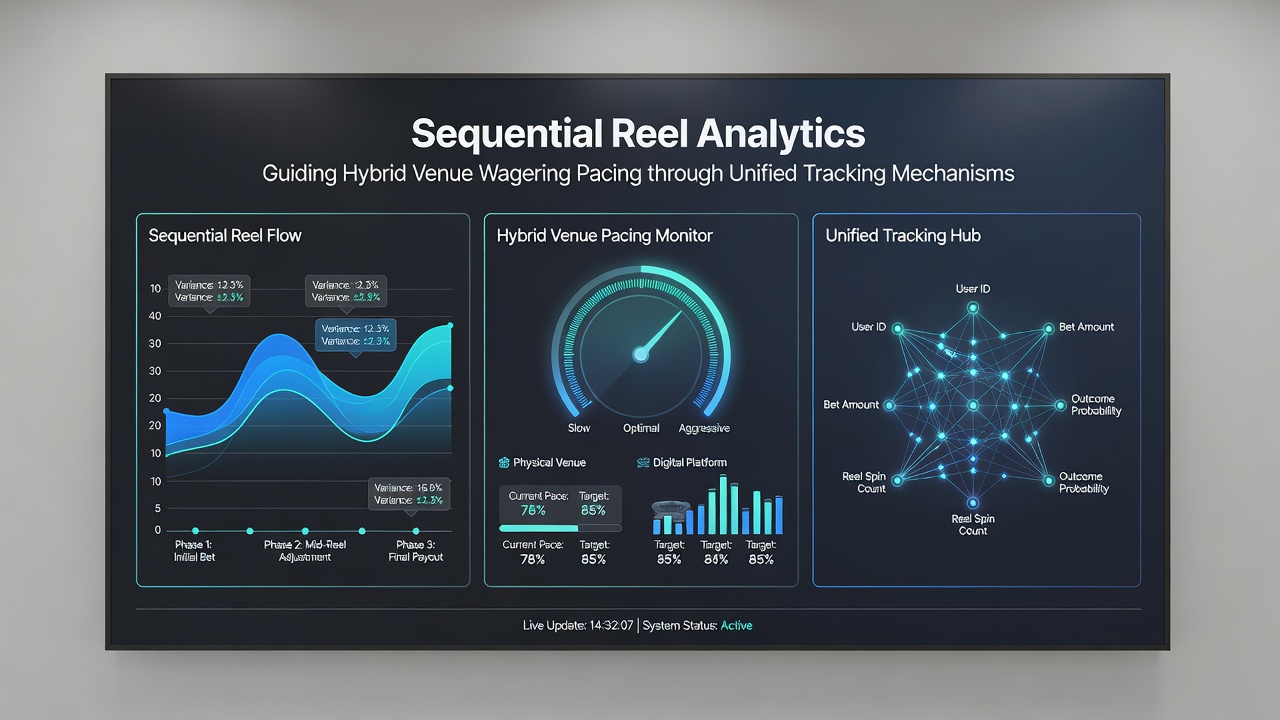
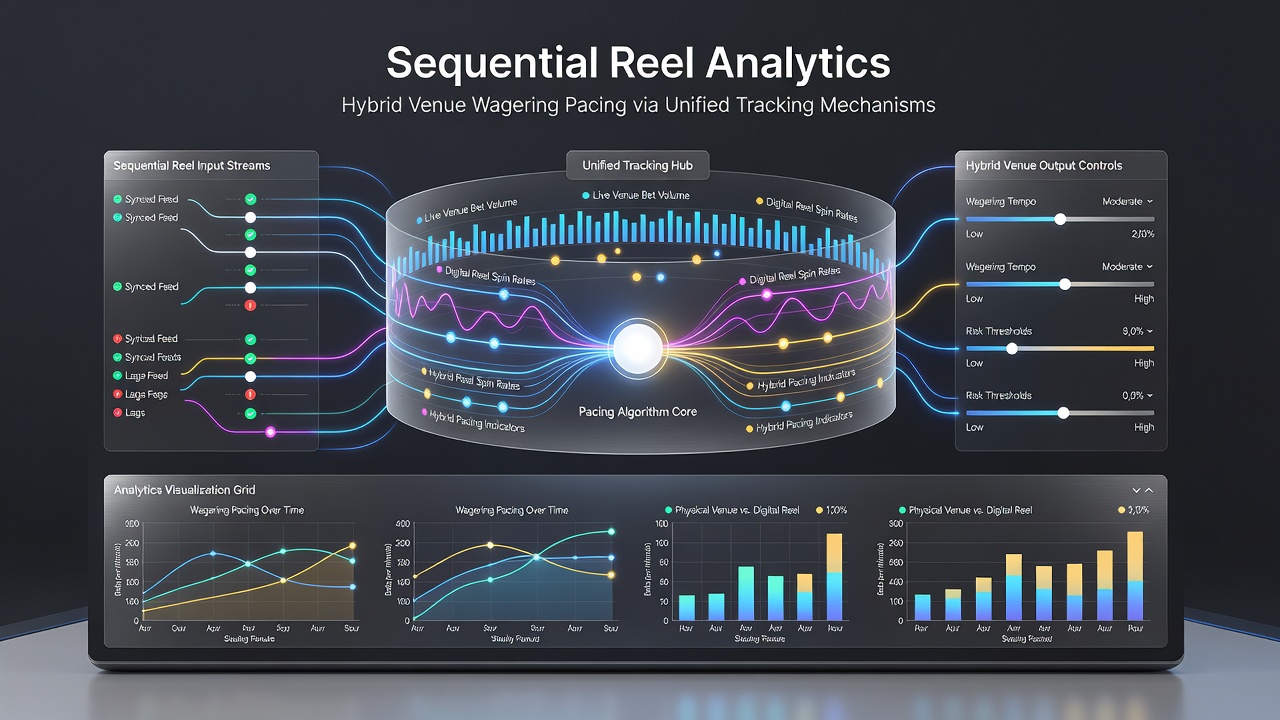
Operators in integrated resorts have adopted sequential reel analytics to adjust wagering pacing across physical floors and digital platforms, and unified tracking mechanisms serve as the core infrastructure that connects these data streams. Research from university gaming laboratories shows that reel spin sequences generate patterns in hit frequency and volatility that inform decisions at live tables when players move between environments. These systems record each reel outcome in order, then feed the aggregated metrics into a central profile that updates in real time. Property operators collect reel data through electronic gaming machines equipped with standardized APIs, and they merge this information with player loyalty accounts that span mobile applications and on-site kiosks. According to figures released by the Nevada Gaming Control Board in July 2026, properties using sequential analytics reported a 12 percent increase in session continuity when players transitioned from slots to table games within the same hour. The data capture occurs at the machine level, where each spin timestamp links to a unique account identifier before transmission to cloud-based processors. Unified tracking mechanisms operate through a combination of RFID player cards, mobile wallet integration, and biometric verification at entry points, and these components create a continuous record that follows individuals from reel machines to card tables. Observers note that the sequence of reel outcomes, rather than isolated results, provides predictive signals about player risk tolerance and preferred bet sizing. One study conducted at the University of Nevada, Las Vegas documented how clusters of high-volatility spins correlated with subsequent increases in average wager amounts at nearby blackjack tables when the same accounts were active. Hybrid venue operators apply these analytics to pace promotions and table minimums dynamically. When sequential reel data indicates sustained low-hit sequences, systems trigger targeted offers through the unified account that encourage movement to live dealer areas with adjusted pacing. Data from the Australian Gaming Association indicates that venues implementing this approach maintained consistent daily table utilization rates during peak summer months in 2026, whereas properties without unified tracking experienced greater fluctuation. The technical architecture relies on edge computing nodes installed on gaming floors that preprocess reel sequences before sending summarized vectors to central servers. This reduces latency when a player leaves a bank of machines and approaches a table, because the system already holds the recent spin history in the shared profile. Technicians configure thresholds that flag sequences exceeding predefined volatility bands, and those flags prompt floor staff to adjust table game pacing through pre-approved protocols. Multiple jurisdictions have updated reporting requirements to include sequential data categories, and operators must submit aggregated reel pattern summaries alongside traditional revenue figures. In Canada, the Alcohol and Gaming Commission of Ontario issued guidelines in early 2026 that require hybrid operators to demonstrate how reel analytics influence cross-venue pacing decisions. Compliance teams now audit the linkage between reel timestamps and table game entries to verify that adjustments remain within approved parameters. Case examples illustrate the workflow in practice. At one integrated resort in the southwestern United States, a cluster of consecutive low-payout reel spins on linked progressive machines triggered an account alert that offered a table game match play credit, and the player redeemed the offer within fourteen minutes according to system logs. The unified tracking mechanism recorded both the reel sequence and the subsequent table session, allowing analysts to measure the conversion rate from slots to tables. Staff training programs emphasize interpretation of sequential analytics dashboards rather than individual spin results, and managers review weekly reports that highlight pacing adjustments derived from reel data. These reports compare session lengths before and after implementation of unified tracking, and they segment findings by player tier and time of day. Facilities that adopted the full system observed that average table game entry intervals shortened when reel sequences showed elevated variance. Security protocols encrypt reel sequence data during transmission between edge nodes and central databases, and access controls limit visibility to authorized personnel only. Regulatory auditors examine sample sequences to confirm that pacing recommendations do not cross into prohibited inducement categories. The combination of technical safeguards and oversight frameworks supports continued expansion of these analytics across additional hybrid properties.