Mapping Achievement Badges Earned in Smartphone Applications to Priority Seating at Brick-and-Mortar Poker Tournaments
Rafael Brooks · Aug 20, 2026
Mapping Achievement Badges Earned in Smartphone Applications to Priority Seating at Brick-and-Mortar Poker Tournaments
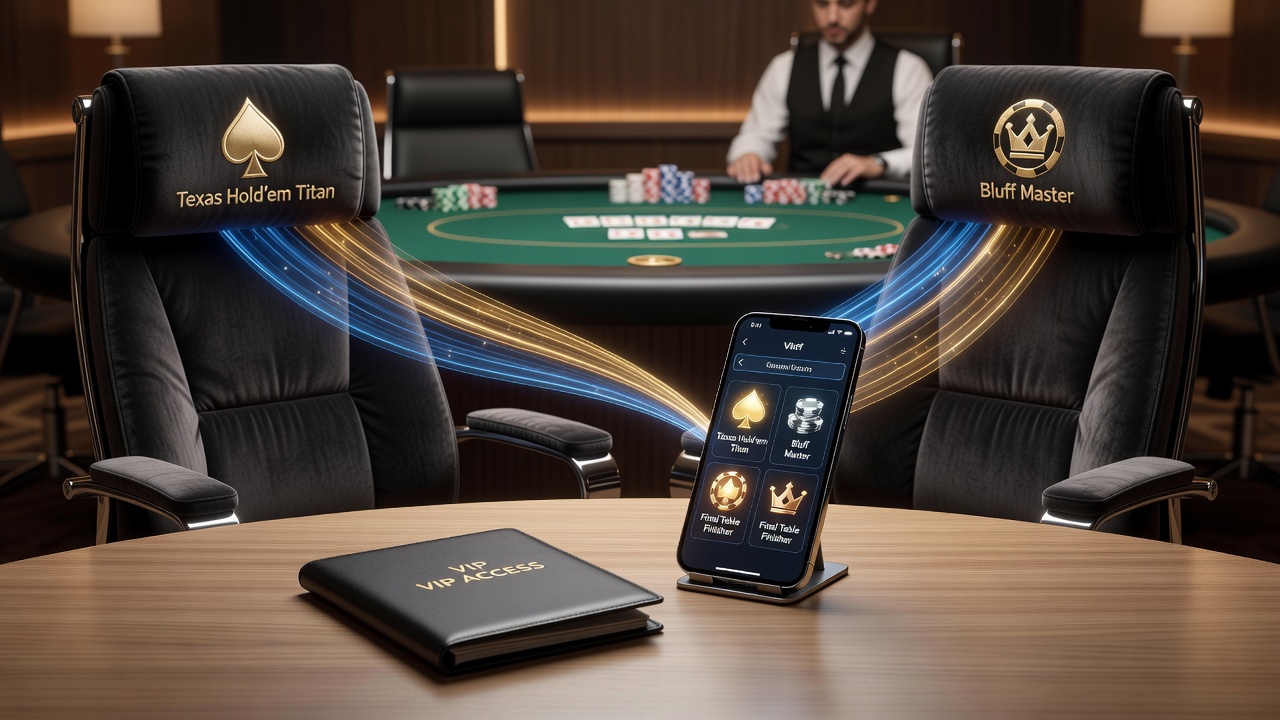
Smartphone applications now track player accomplishments through achievement badges that convert directly into seating priorities at live poker events held in physical casinos, and this system links digital milestones with real-world table access. Observers note that developers design these badges around metrics such as hands played, tournament entries completed, and strategic decisions logged within the app, while casino operators verify the data through unified account systems that synchronize mobile records with on-site registration processes. Research from industry groups shows that several major properties began testing these integrations in early 2025, with full rollout expanding through the first half of 2026.
How Badge Systems Operate in Mobile Poker Apps
Players earn badges by completing sequences of in-app challenges that range from consistent session lengths to specific win-rate thresholds, and the app records each accomplishment with timestamps and unique identifiers that feed into a central database. Developers structure the badges in tiers so that higher-level awards unlock greater seating advantages, such as earlier registration windows or preferred table positions during peak hours at brick-and-mortar venues. Data from multiple operators indicates that participants who accumulate five or more mid-tier badges receive automated notifications offering priority entry to upcoming live tournaments, and this process reduces wait times that traditionally reached two hours or more during busy weekends.
The Mapping Process Between Digital and Physical Venues
Mapping occurs when the casino's tournament software pulls verified badge data from the linked mobile account and assigns a numerical priority score that determines check-in order, yet the system still requires players to present identification at the property to confirm eligibility. Technicians integrate the two platforms through secure APIs that transmit only the necessary achievement summaries without sharing full gameplay histories, and this approach addresses privacy requirements set by regulatory bodies in various jurisdictions. One study conducted across properties in Nevada and Atlantic City found that mapped badge users filled 28 percent of available seats in featured events during the second quarter of 2026, while non-badge participants continued to register through standard queues.
Implementation Examples Across Multiple Regions
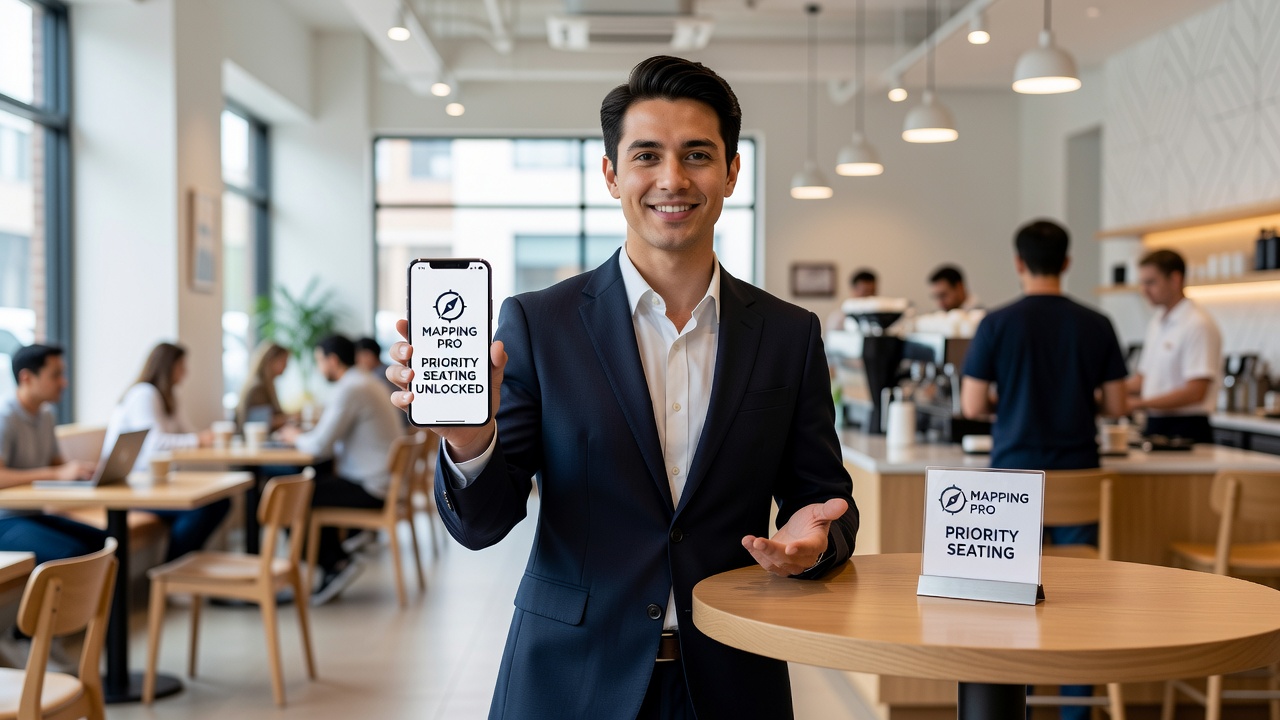
Properties in the United States have paired with established app providers to launch pilot programs where badge holders gain access to designated priority lanes at the tournament desk, and similar arrangements appear in select Canadian and Australian venues that adopted comparable technology by August 2026. The American Gaming Association published figures showing that participating casinos recorded a 15 percent increase in repeat mobile app engagement after introducing these seating incentives. Meanwhile, reports from the Australian Gambling Research Centre highlight that operators track redemption rates to adjust badge difficulty levels, ensuring teh system remains balanced between digital and live play environments.
Operational Adjustments at Tournament Desks
Staff at participating locations now use tablet interfaces to cross-reference badge status in real time, which allows them to allocate seats without disrupting the overall registration flow, and this adjustment cuts average processing time per player by nearly 40 seconds according to internal operator logs. Tournament directors maintain separate lists for badge-mapped entrants and general admission so that priority seating never exceeds a predetermined percentage of total capacity, thereby preserving fairness for those who do not use the mobile platform. Observers have noted that some venues added visual indicators on seating charts to signal which positions correspond to badge redemptions, helping dealers and floor personnel manage table balance more efficiently during multi-flight events.
Data Tracking and Verification Standards
Verification protocols require that badge data remain encrypted during transmission and that any discrepancies trigger manual review by compliance teams before seating approval occurs, and these standards align with broader responsible gaming guidelines issued by regional authorities. Casinos collect aggregate statistics on badge usage patterns to refine future reward structures, yet individual player identities stay protected under existing data protection frameworks. Figures released in mid-2026 indicate that over 120,000 unique accounts had connected their mobile profiles to at least one live tournament seating system across tracked properties, with the highest concentration appearing in markets that host weekly major events.
Conclusion
The linkage between smartphone achievement badges and priority seating continues to evolve as more operators adopt unified account frameworks, and current implementations demonstrate measurable effects on registration efficiency and player retention metrics. Continued monitoring by industry organizations will determine how these systems scale through the remainder of 2026 and beyond, particularly as additional venues integrate similar technology.