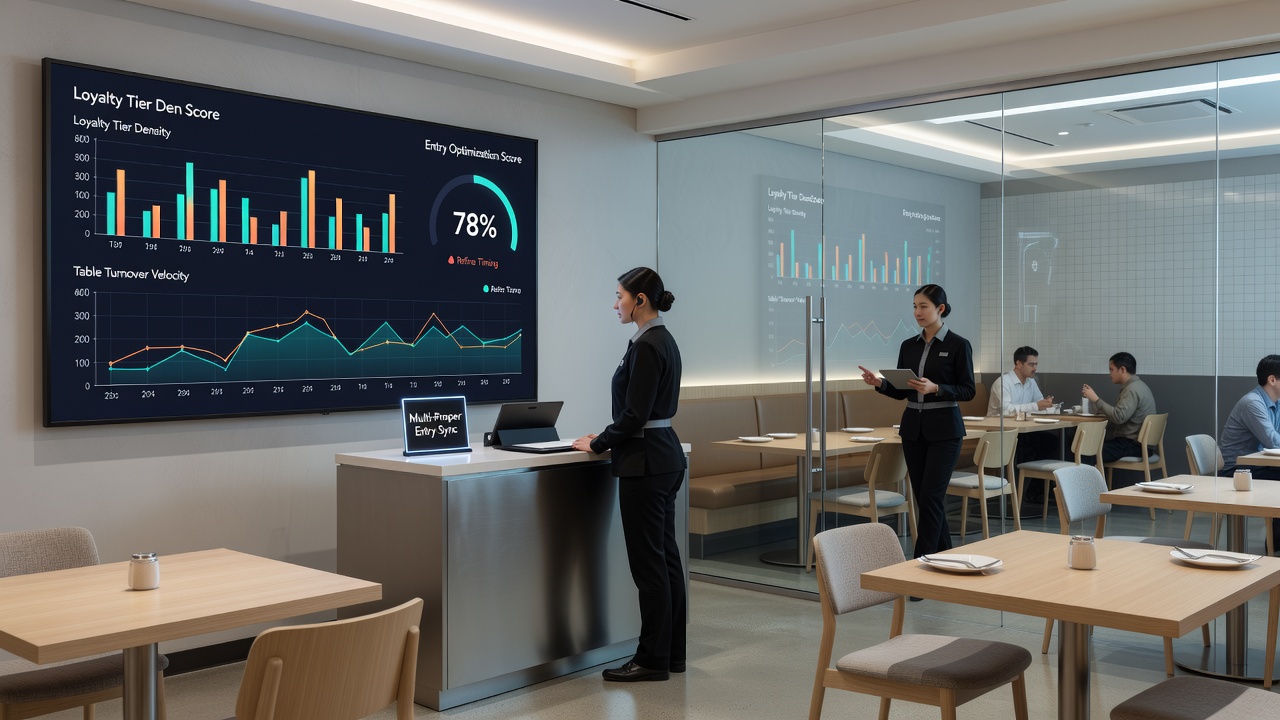
Layering App-Based Loyalty Metrics with Physical Table Pacing to Refine Entry Timing at Multi-Property Destinations
Rafael Brooks · Aug 23, 2026
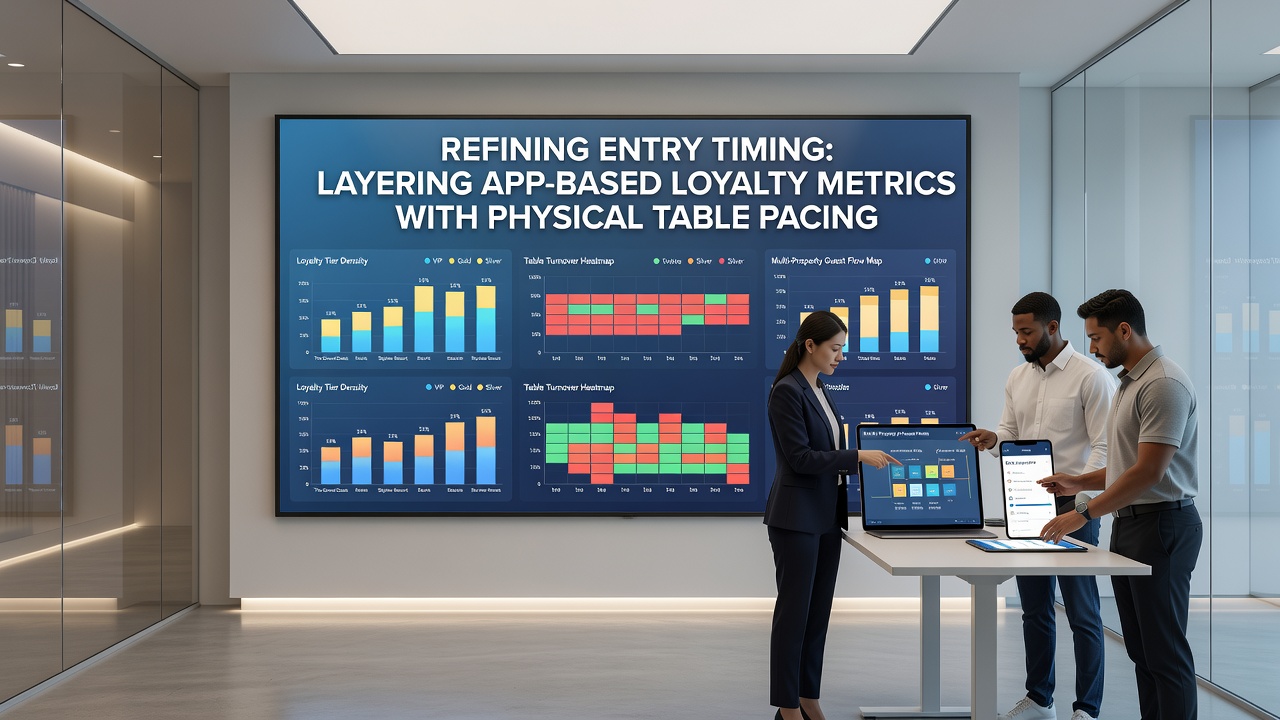
Layering App-Based Loyalty Metrics with Physical Table Pacing to Refine Entry Timing at Multi-Property Destinations
Operators at integrated resort chains now combine mobile loyalty platforms with live floor monitoring systems to adjust when players approach table games. This approach tracks accumulated points from smartphone sessions while measuring how quickly seats open at physical tables across multiple sites. Data from these combined sources helps determine optimal arrival windows rather than relying on single-location observations alone. Loyalty applications record play history through unified accounts that span properties owned by the same parent company. Points earned on mobile slots feed directly into the same profile used for table games at distant locations. When a player checks in via the app, the system pulls historical metrics such as average session length and preferred game types to forecast demand at specific tables.Table Pacing Data Collection Methods
Floor supervisors log the duration of each hand or round at live tables, and these figures stream into centralized dashboards. Sensors mounted above gaming areas count occupied seats every few minutes, creating a continuous record of turnover rates. Analysts then cross-reference this physical data with loyalty app timestamps to identify when certain table types typically free up after peak periods. Multi-property groups in the United States and Australia apply similar frameworks. Reports from the Nevada Gaming Control Board note increased adoption of synchronized tracking tools during 2025, while the Queensland Office of Liquor and Gaming Regulation documented parallel implementations at destination resorts in the same period. These records show operators adjusting staffing and table counts based on predictive models that blend digital and on-site inputs.Entry Timing Algorithms in Practice
Systems generate suggested entry windows by weighting loyalty tier status against current table velocity. Higher-tier accounts receive earlier notifications when tables matching their historical preferences open at secondary properties. Lower-tier players see delayed prompts that steer them toward less crowded venues within the same network. One study released by the University of Nevada, Las Vegas International Gaming Institute examined combined datasets from three resort groups operating in Las Vegas and Macau. The analysis found that properties using layered metrics recorded steadier table utilization rates throughout August 2026 compared with sites relying on manual pacing alone. The report linked the improvement to reduced wait times for players who followed the app-generated arrival suggestions.