Exploring How Accumulated Points from Portable Device Games Facilitate Smoother Entries into Real-Time Dealer Encounters at Large-Scale Entertainment Complexes
Anna Long · Aug 25, 2026
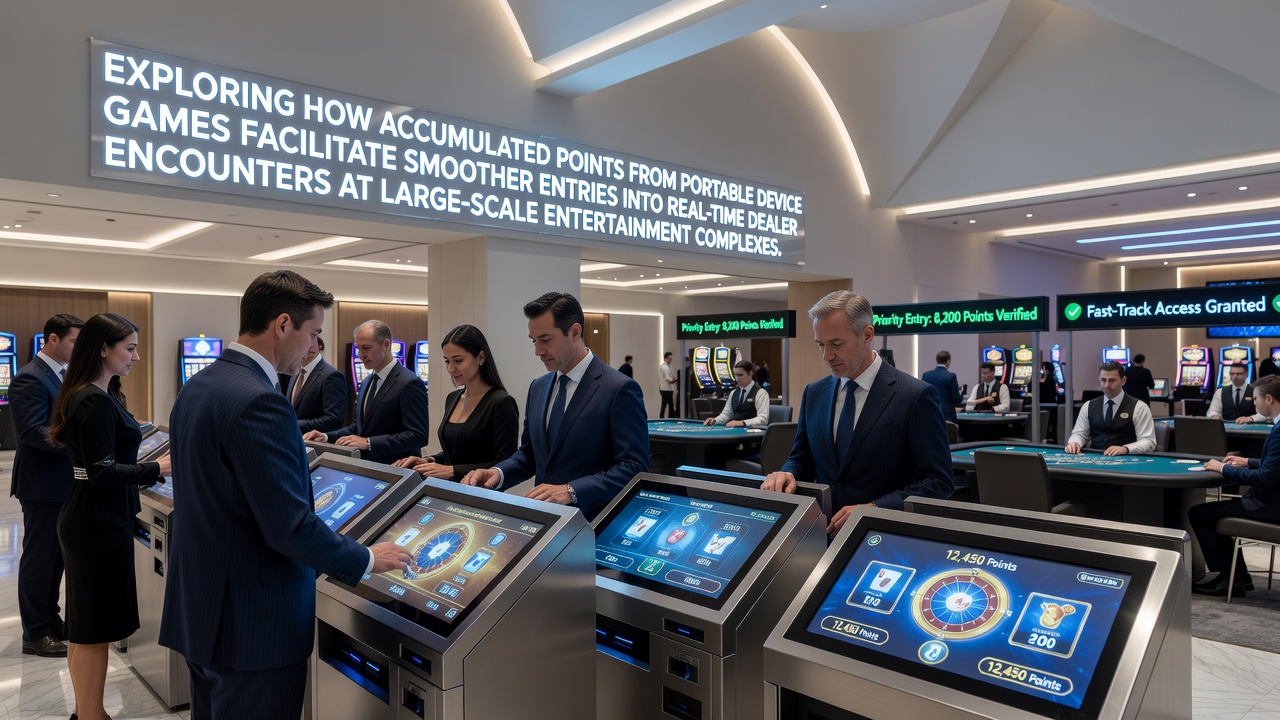
Exploring How Accumulated Points from Portable Device Games Facilitate Smoother Entries into Real-Time Dealer Encounters at Large-Scale Entertainment Complexes
Portable device games have become a primary entry point for many players at integrated resorts, where accumulated points feed directly into player tracking systems that determine access to live dealer tables. These systems record activity from mobile slots and table simulations, then convert that data into loyalty tiers that influence seating priorities during peak hours at properties spanning Las Vegas to Macau.
Unified Tracking Systems Across Mobile and Live Platforms
Operators at major entertainment complexes deploy single-account frameworks that merge mobile gameplay metrics with on-site activity, allowing points earned through portable device sessions to adjust player ratings used by floor managers when assigning live dealer positions. Data from these platforms shows that participants who maintain consistent mobile engagement often receive automated notifications for reduced wait times at blackjack and roulette pits, particularly during August 2026 when seasonal visitor volumes increase competition for table seats.
Resort operators integrate these tools through backend software that monitors reel spin frequency alongside live table decisions, creating pathways where mobile points offset minimum bet requirements or grant line-skipping privileges. Researchers at institutions tracking gaming patterns have documented cases where players crossing a threshold of mobile-derived points experience measurable reductions in entry friction at real-time dealer stations, especially at complexes with high table density such as those along the Las Vegas Strip.
Point Conversion Mechanics and Access Protocols
Conversion rates vary by property yet follow consistent patterns where mobile points translate into comp equivalents that floor staff reference when managing table occupancy. At large-scale venues, this process occurs through digital kiosks or host applications that display updated eligibility for live encounters, allowing players to bypass standard queuing procedures. Figures released by the Nevada Gaming Control Board indicate steady growth in cross-platform loyalty redemptions throughout 2025 and into mid-2026, correlating with expanded mobile offerings at destination properties.
One documented approach involves tiered point multipliers during promotional windows, where activity on portable device games during off-peak periods accelerates qualification for priority live table access later the same day. Casino hosts use these accumulated values to pre-stage reservations, ensuring smoother transitions for players moving from digital sessions to physical dealer interactions without extended delays.
Regional Variations in Implementation
Properties in Asia-Pacific markets apply similar frameworks but adjust for local regulatory requirements, with systems in central Vietnam and Macau linking mobile points to VIP sky casino entries that feature dedicated live dealer zones. Observers note that these adaptations maintain core functionality while accommodating differences in foreign player focus and operational pacing. Australian regulatory reports similarly highlight integration efforts at integrated resorts where mobile-derived loyalty metrics support faster processing at high-limit tables.
Industry analyses from research groups examining North American and European markets reveal that players leveraging mobile points for live access demonstrate higher session continuity across device types, with unified wallets reducing friction during property transitions. This pattern holds at complexes undergoing expansions scheduled through 2026, where additional table capacity pairs with enhanced mobile tracking to manage increased demand.
Operational Benefits for Entertainment Complexes
Large-scale venues benefit from these linkages because they distribute player flow more evenly between mobile lounges and live gaming floors, using point thresholds to signal when additional dealer stations should open. Staff training programs incorporate dashboard reviews that flag mobile-active accounts for expedited service, contributing to overall throughput during busy periods such as summer festivals and holiday weekends extending into August 2026.
Case examples from multiple properties illustrate how point accumulation from portable games correlates with improved table assignment efficiency, particularly when combined with real-time occupancy data. These mechanisms operate without altering core game rules yet provide measurable advantages in access speed for qualifying participants.
Conclusion
Accumulated points from portable device games integrate with loyalty infrastructures at major entertainment complexes to streamline movement toward real-time dealer encounters, supported by unified tracking, regional adaptations, and operational data systems. Continued development of these connections aligns with broader trends in cross-platform gaming management observed through 2026.