Examining Seasonal Tourism Shifts and Their Effect on Electronic Table Deployment at Mountain Resort Properties
Alex Neumann · Jul 2, 2026
Examining Seasonal Tourism Shifts and Their Effect on Electronic Table Deployment at Mountain Resort Properties
Seasonal tourism patterns in mountain regions create distinct cycles that influence how operators manage electronic gaming tables at resort properties, and these adjustments reflect broader visitor flows tracked through occupancy data and regional reports. Properties in areas like the Colorado Rockies and the Swiss Alps experience pronounced peaks during winter months for skiing and snowboarding, while summer brings hikers, mountain bikers, and leisure travelers, prompting facilities to recalibrate their gaming offerings accordingly.
Data compiled by tourism authorities shows winter visitation often doubles or triples compared to shoulder seasons, which leads properties to expand electronic table installations to meet demand from evening entertainment seekers. Electronic tables, including automated roulette and blackjack stations, allow for flexible scaling because they require less staffing than traditional live dealer setups yet deliver consistent game pacing during high-traffic periods.
Winter Peaks Drive Expanded Table Networks
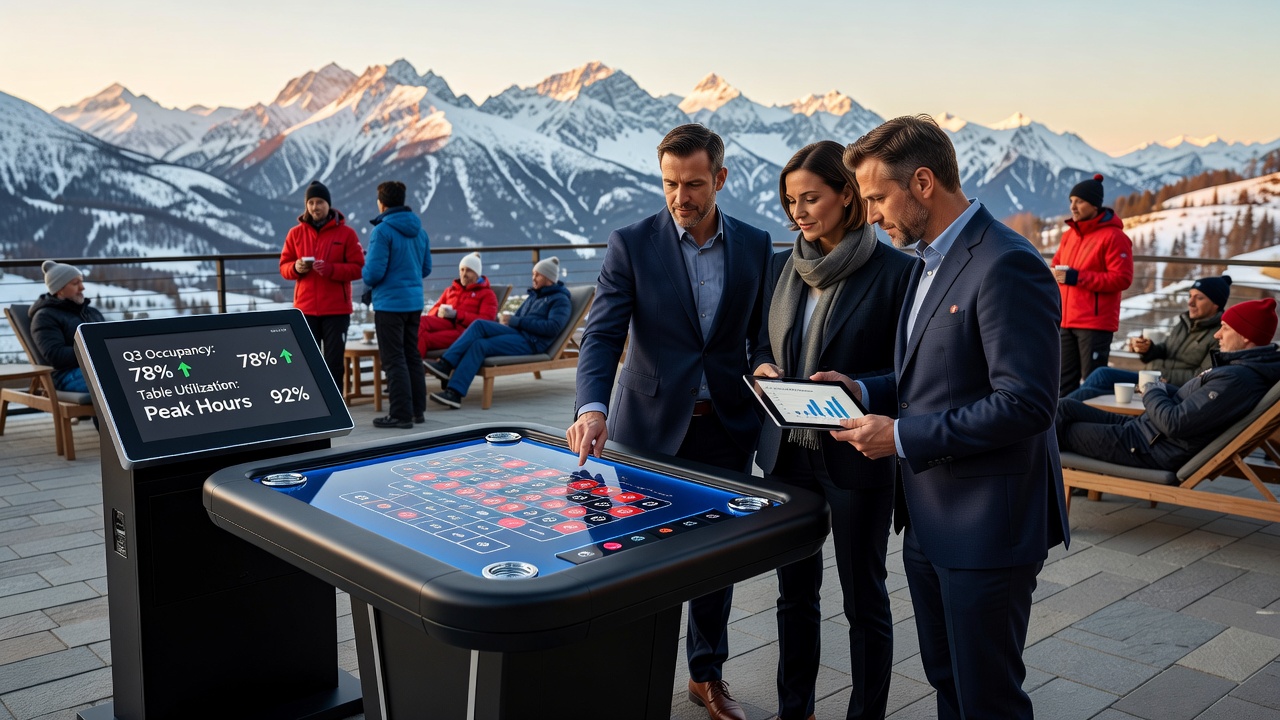
From December through March, resorts such as those near Aspen and Banff see concentrated arrivals tied to ski season packages, and operators respond by deploying additional electronic terminals in casino floors and lounge areas. Figures from the Colorado Tourism Office indicate that mountain resort counties recorded over 8 million visitor days during the 2025-2026 winter season, correlating with increased gaming floor utilization rates that exceeded 75 percent on peak weekends. Properties integrate these tables into loyalty programs so guests can transition seamlessly between outdoor activities and indoor gaming sessions without extended wait times.
Electronic systems also support multi-language interfaces and variable bet limits that accommodate international visitors drawn to mountain destinations, and this adaptability proves useful when groups from Europe and Asia arrive during holiday breaks. Operators monitor real-time occupancy sensors to shift units between public areas and private VIP zones as crowd patterns evolve throughout the day.
Summer Adjustments and Mid-Season Transitions
As snow melts and trails open, tourism shifts toward warmer-weather pursuits, and many properties reduce electronic table counts to reflect lower evening foot traffic. July 2026 projections from regional tourism boards point to steady but less intense visitation compared with winter highs, with emphasis on family-oriented packages and outdoor festivals that compete for guest attention. Facilities in the Alps, for instance, have documented a 30 to 40 percent drop in gaming floor activity during July compared with February peaks, leading managers to consolidate electronic stations into centralized zones rather than spreading them across multiple venues.
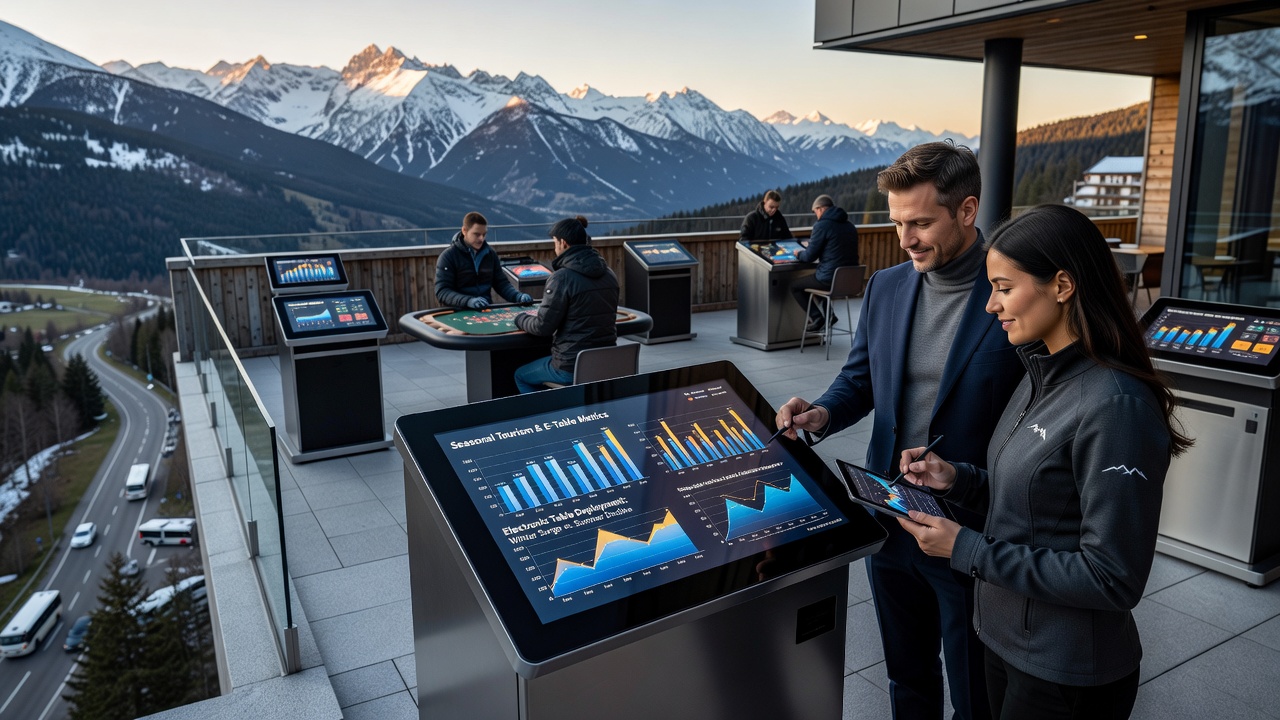
Maintenance schedules align with these transitions because summer offers longer windows for software updates and hardware checks without disrupting core operations. Research from hospitality analytics firms reveals that resorts using modular electronic table designs complete reconfiguration tasks 25 percent faster than those relying on fixed installations, allowing quicker pivots when weather events or event calendars alter visitor volumes unexpectedly.
Technology Integration and Regional Data Trends
Unified management platforms now link electronic table performance metrics with broader property management systems, giving operators visibility into how seasonal guest demographics affect game preferences. In North American mountain markets, data from the American Gaming Association shows electronic table revenue rising in tandem with ski pass sales during winter, whereas European properties tracked by the European Travel Commission report steadier year-round usage driven by conference and wellness tourism. These platforms also enable predictive modeling that forecasts deployment needs weeks in advance based on booking trends and weather forecasts.
Properties in British Columbia and the French Alps have adopted similar approaches, adjusting table density in response to shoulder-season promotions that target local and regional travelers rather than long-haul tourists. Such strategies help maintain utilization rates above 50 percent even when overall arrivals dip, preserving revenue streams while controlling operational costs associated with power consumption and network maintenance.
Conclusion
Seasonal tourism fluctuations continue to shape electronic table deployment strategies at mountain resort properties through measurable visitor patterns and operational data. Properties that align table availability with documented peaks and troughs achieve more consistent performance across calendar quarters, as evidenced by occupancy-linked revenue reports from multiple regions. Ongoing refinements in modular systems and analytics tools support these adjustments without requiring major capital outlays, positioning operators to respond effectively as tourism cycles evolve in 2026 and beyond.