Examining Regional Weather Fluctuations and Shifts in Peak Table Session Times at Growing Entertainment Complexes
Anna Long · Aug 27, 2026
Examining Regional Weather Fluctuations and Shifts in Peak Table Session Times at Growing Entertainment Complexes
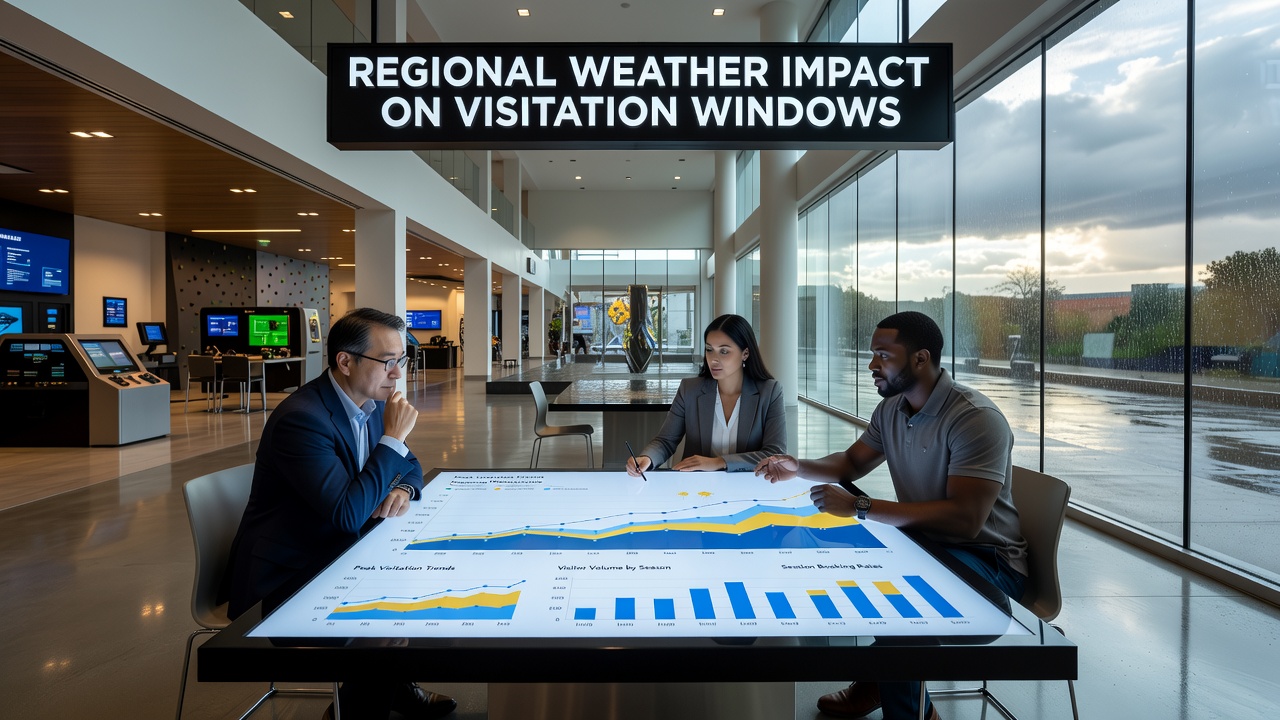
Regional weather patterns exert measurable influence on visitor arrival times at entertainment complexes that feature interactive table sessions, and operators track these variables through attendance logs combined with meteorological records from multiple agencies. Data from facilities across North America and Asia show that temperature swings, precipitation events, and seasonal shifts compress or expand the hours when table game participation reaches its highest levels. Researchers at expanding properties note that a single week of unusual rainfall can move peak evening table activity forward by two to three hours as guests adjust travel plans around road conditions and outdoor comfort.
Weather Data Integration at Major Sites
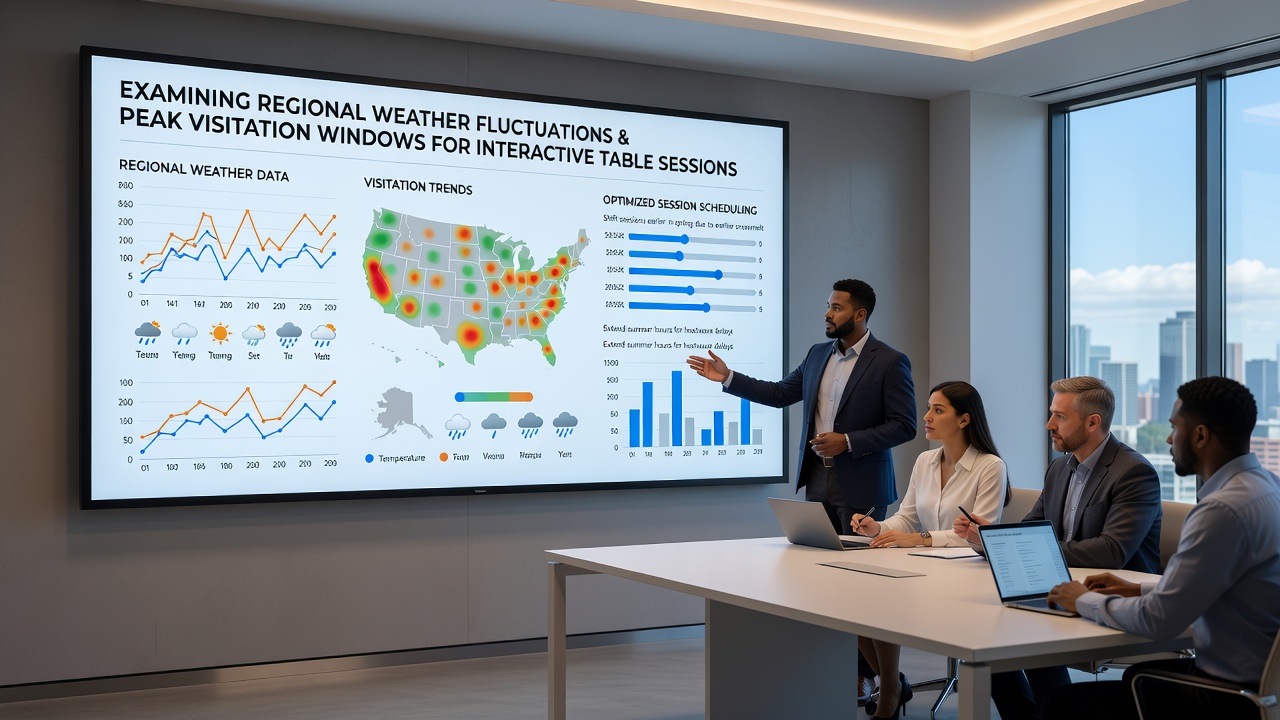
Facilities in the Midwest and Gulf Coast states compile daily weather observations alongside entry and table utilization figures, revealing consistent correlations between humidity spikes above 75 percent and earlier arrivals for indoor table sessions. Observers note that when afternoon thunderstorms develop, crowds shift toward evening table games between 6 and 9 p.m. rather than the traditional 8 to 11 p.m. window. Similar patterns appear in desert properties where daytime temperatures exceeding 105 degrees Fahrenheit push visitors indoors during afternoon hours and sustain table activity until later in the night once temperatures moderate. August 2026 records from several southwestern complexes indicated a three-week stretch of above-average monsoon activity that produced a 14 percent increase in midday table session starts compared with the prior year.
Regional Variations and Visitation Timing
Properties along the Atlantic seaboard experience different dynamics when nor'easters or tropical systems approach. Historical datasets compiled by Environment Canada demonstrate that heavy snowfall events in Ontario and Quebec reduce same-day drive-in traffic yet extend overnight stays once visitors arrive, stretching table game peaks across consecutive days. In contrast, coastal Australian venues tracked by the Bureau of Meteorology show that prolonged heat waves above 40 degrees Celsius compress visitation into early morning and late evening slots, trimming the traditional dinner-hour rush. Those who manage table operations at these sites adjust dealer schedules and table counts accordingly, opening additional stations earlier when forecasts predict sustained high temperatures or incoming fronts.
Case Examples from Expanding Complexes
One Midwest resort that opened new table pits in 2025 recorded a clear shift after two consecutive weekends of unseasonal rain. Attendance logs indicated that Friday evening table utilization climbed 22 percent between 4 and 7 p.m. while late-night figures dropped by a comparable margin. Operators responded by moving promotional chip distributions earlier in the evening to capture the altered flow. A similar adjustment occurred at a Gulf Coast property during an extended heat advisory period in summer 2026 when afternoon table sessions rose sharply and evening crowds thinned once outdoor temperatures remained elevated past sunset.
Operational Adjustments and Forecasting Tools
Management teams at these complexes increasingly incorporate short-term weather models into staffing software so that table minimums and game variety can be calibrated to expected demand windows. Figures released by the National Oceanic and Atmospheric Administration supply the baseline forecasts that many facilities cross-reference with their internal visitation models. When forecasts indicate a 60 percent or higher chance of precipitation during traditional peak hours, properties often increase early-evening table inventory while reducing overnight staffing. These changes help maintain consistent table game availability without overstaffing during periods when weather deters travel.
Longer-Term Climate Influences
Over multi-year spans, gradual shifts in regional climate baselines also alter annual visitation calendars. Properties in northern latitudes have observed that milder winters extend the shoulder seasons for table activity, spreading demand more evenly across October through April rather than concentrating it in December and January. Conversely, facilities in subtropical zones record longer stretches of high-temperature days that push table participation deeper into nighttime hours during summer months. Data from integrated resorts in Vietnam and Macau show parallel responses to typhoon season forecasts, where advance warnings prompt earlier guest arrivals and sustained table play once the weather event passes.
Conclusion
Regional weather fluctuations continue to reshape the timing of peak table session windows at expanding entertainment complexes, prompting operators to align staffing, promotions, and table availability with meteorological patterns. Attendance records paired with weather agency data demonstrate repeatable shifts that vary by geography yet follow similar underlying principles of guest comfort and travel feasibility. As complexes grow and add new table capacity, integration of weather forecasting into operational planning remains a practical method for matching supply with these changing demand windows.