Cross-realm reward calibration: aligning virtual wager histories with live card room pacing protocols via centralized identification frameworks at destination properties
Anna Long · Aug 29, 2026

Cross-realm reward calibration: aligning virtual wager histories with live card room pacing protocols via centralized identification frameworks at destination properties
Destination properties have expanded centralized identification frameworks that connect mobile wager records directly to on-site card room operations, and these systems track cumulative player activity across both environments without requiring separate logins at each touchpoint. Operators integrate player cards or digital profiles that pull historical data from app-based sessions into live table management software, allowing floor staff to adjust game pacing based on verified betting patterns from virtual play.
Centralized Identification at Integrated Resorts
Properties such as those operated by major chains now deploy unified databases that assign a single identifier to each patron, and this identifier merges online slot or table game outcomes with physical venue visits. Data flows through secure APIs that update loyalty balances in real time, while card room supervisors receive alerts when a player's virtual history indicates preferred bet sizes or session lengths. According to reports from the Nevada Gaming Control Board, several Las Vegas properties completed system upgrades by mid-2026 that reduced manual verification steps during player transitions from mobile accounts to live tables.
Aligning Virtual Histories With Live Pacing
Virtual wager histories feed into algorithms that calculate expected table game duration and stake levels, and these calculations help match players to open seats without disrupting ongoing hands. Staff observe that a patron who consistently places mid-range bets on mobile blackjack often receives seating recommendations timed to similar pacing at the physical property. The process relies on timestamped records that synchronize across platforms, and centralized frameworks flag any discrepancies in reported activity before the player reaches the card room floor.
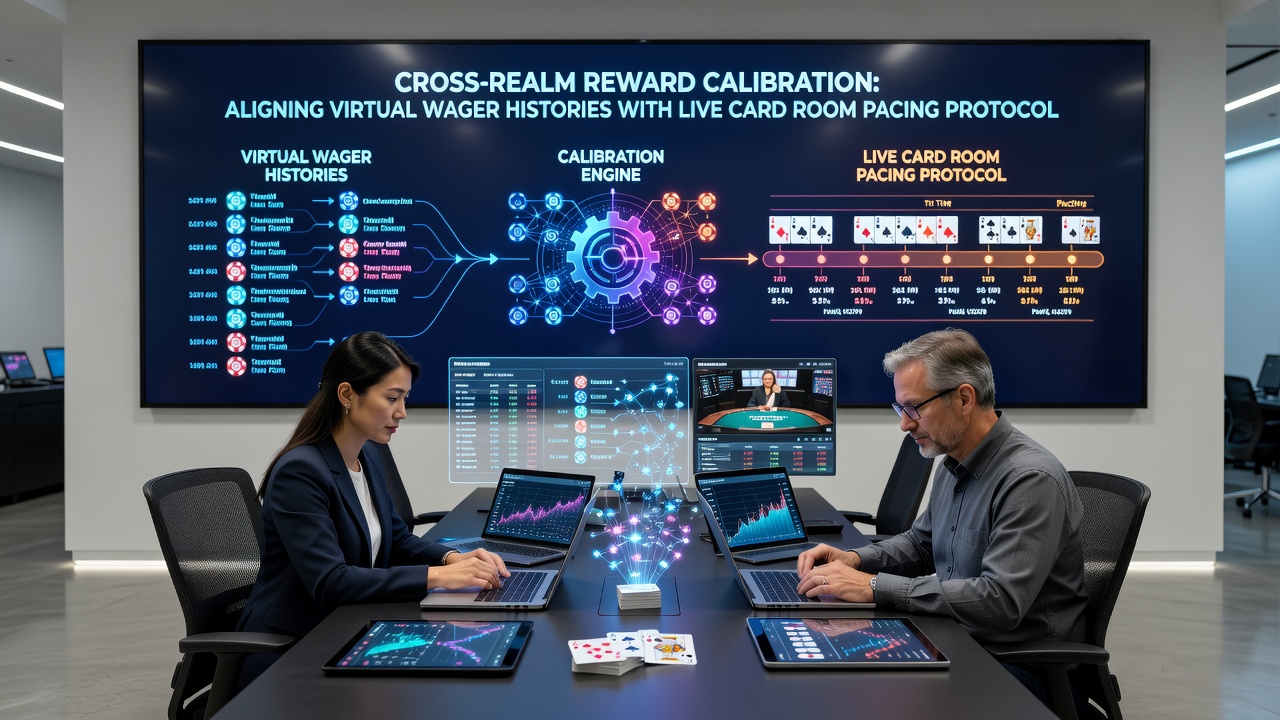
Researchers at the University of Nevada, Las Vegas documented how one major operator in August 2026 tested calibration protocols that adjusted minimum bet recommendations based on aggregated virtual data from the preceding thirty days. The study noted that average session continuity improved when live dealers accessed the same historical metrics already stored in the player's unified profile. Figures from the Australian Gambling Research Centre show similar patterns in integrated resorts where cross-platform tracking reduced wait times at poker and blackjack tables by measurable margins during peak hours.
Implementation Across Destination Properties
Destination properties in multiple regions have adopted these frameworks through phased rollouts that began with loyalty program upgrades and progressed to full table integration. In practice, a guest who completes a series of mobile spins receives calibrated entry into live games that reflect the same risk tolerance recorded online. Centralized systems also route reward redemptions so that points earned virtually convert directly into table-side comps without additional processing at the cage. Industry associations such as the American Gaming Association have tracked adoption rates, noting that properties with these linkages report higher retention across both channels during the 2026 fiscal period.
Data Flow and Protocol Adjustments
Protocols operate by pulling verified transaction logs every few minutes and feeding them into pacing software that suggests table assignments or bet thresholds. When a player's virtual history shows frequent high-volume activity, the system can prioritize seating at faster-turnover tables while maintaining compliance with house rules. And operators monitor these adjustments through dashboards that display both online and live metrics side by side, allowing real-time tweaks without interrupting play. External audits confirm that data encryption standards meet regulatory thresholds established by bodies in Nevada and select Asian markets, and this security layer prevents unauthorized access during cross-realm transfers.
Conclusion
Centralized identification frameworks continue to link virtual wager histories with live card room operations at destination properties, and the calibration process relies on unified profiles that update across platforms. Properties implementing these connections have recorded measurable changes in table utilization and player movement patterns, particularly following system enhancements completed around August 2026. Regulatory records and academic reviews provide the primary sources confirming the operational details described here.