Cross-platform data flows: channeling mobile app metrics into live dealer session resource planning
Alex Neumann · Jun 21, 2026

Cross-platform data flows: channeling mobile app metrics into live dealer session resource planning
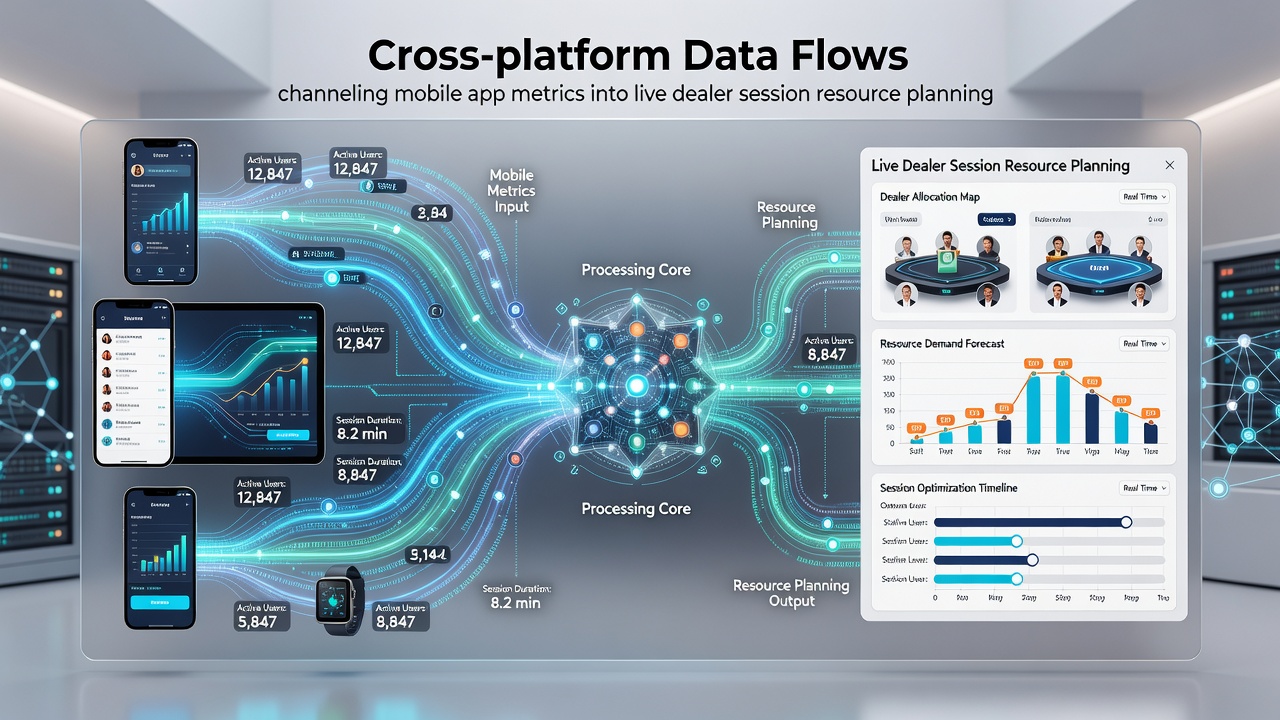
Integrated gaming properties have developed systems that pull performance indicators from smartphone applications and route them directly into staffing models for live dealer tables, and these connections rely on standardized data protocols that update every few minutes during peak hours.
Core Components of the Data Pipeline
Mobile applications track session duration, bet frequency, and navigation patterns while users engage with digital versions of table games, and those same datasets feed into algorithms that forecast table occupancy at physical locations. Operators collect location-tagged timestamps from app logins, then match them against historical patterns to adjust dealer schedules in real time, and this matching process uses API endpoints that comply with data-sharing standards established by gaming control boards in multiple jurisdictions.
Research from the University of Nevada, Las Vegas Center for Gaming Research indicates that properties using unified player accounts saw a 17 percent reduction in table idle time during 2025 test periods. The same studies noted that when mobile deposit velocity increased by more than 12 percent within a two-hour window, live dealer tables opened an average of 22 minutes earlier than previously scheduled.
Metric Categories and Their Mapping
Session length data from mobile slots correlates with expected dwell time at live blackjack and roulette, while in-app bonus redemption rates help predict which table games will see higher demand. Player segmentation tags generated in the app, such as high-frequency low-stake users versus occasional high-roller profiles, translate into dealer skill-level assignments once the same accounts appear on property.
One large operator in Macau implemented a rule-based engine that converts mobile average-bet calculations into table minimum adjustments every 30 minutes, and that system drew from anonymized data streams rather than individual identifiers to stay within local privacy regulations. Australian researchers at the University of Sydney documented similar approaches in 2025, where cross-platform signals reduced overstaffing during shoulder periods by reallocating dealers between baccarat and poker rooms based on app-derived forecasts.
Technical Integration Methods
Most implementations rely on event-streaming platforms that push mobile telemetry into a central data lake, then apply transformation rules before exporting staffing recommendations to workforce management software. These pipelines use encrypted channels and token-based authentication to satisfy requirements from regulators in both North America and the Asia-Pacific region, and they typically refresh every 90 seconds during operational hours.
June 2026 brought updated guidance from the Nevada Gaming Control Board on acceptable latency thresholds for such cross-platform feeds, specifying that any delay exceeding four minutes between mobile event capture and live-table decision output must trigger manual review. Properties that adopted these standards reported smoother transitions during high-volume weekends, particularly when large numbers of app users arrived on-site after receiving targeted table-game promotions.
Operational Adjustments in Practice
Dealers at participating resorts receive tablet-based alerts that indicate expected player volume and preferred game types, allowing pit bosses to open or close tables without waiting for physical line formation. One integrated resort in Singapore combined mobile session heatmaps with RFID table tracking to shift dealers from lower-demand games to higher-demand ones within 15 minutes of detecting a surge in app activity from nearby hotel guests.
Those same systems also monitor withdrawal patterns from mobile wallets, which often precede players moving to live tables with larger buy-ins, and the resulting forecasts help managers pre-position chip inventories and surveillance coverage. Data collected across multiple properties shows that such predictive staffing lowered average wait times for table entry from 14 minutes to under nine minutes during comparable volume periods.
Conclusion
Cross-platform data flows continue to evolve as gaming operators refine the connections between mobile metrics and live dealer logistics, and the June 2026 regulatory updates have accelerated standardization across markets. Properties that maintain compliant, low-latency pipelines gain measurable improvements in table utilization while meeting privacy and security obligations set by regional authorities.