Correlation Studies Linking Reel Frequency Patterns in Automated Machines with Subsequent Decisions at Card Tables Through Unified Mobile Wallet Systems
Rafael Brooks · May 26, 2026
Correlation Studies Linking Reel Frequency Patterns in Automated Machines with Subsequent Decisions at Card Tables Through Unified Mobile Wallet Systems
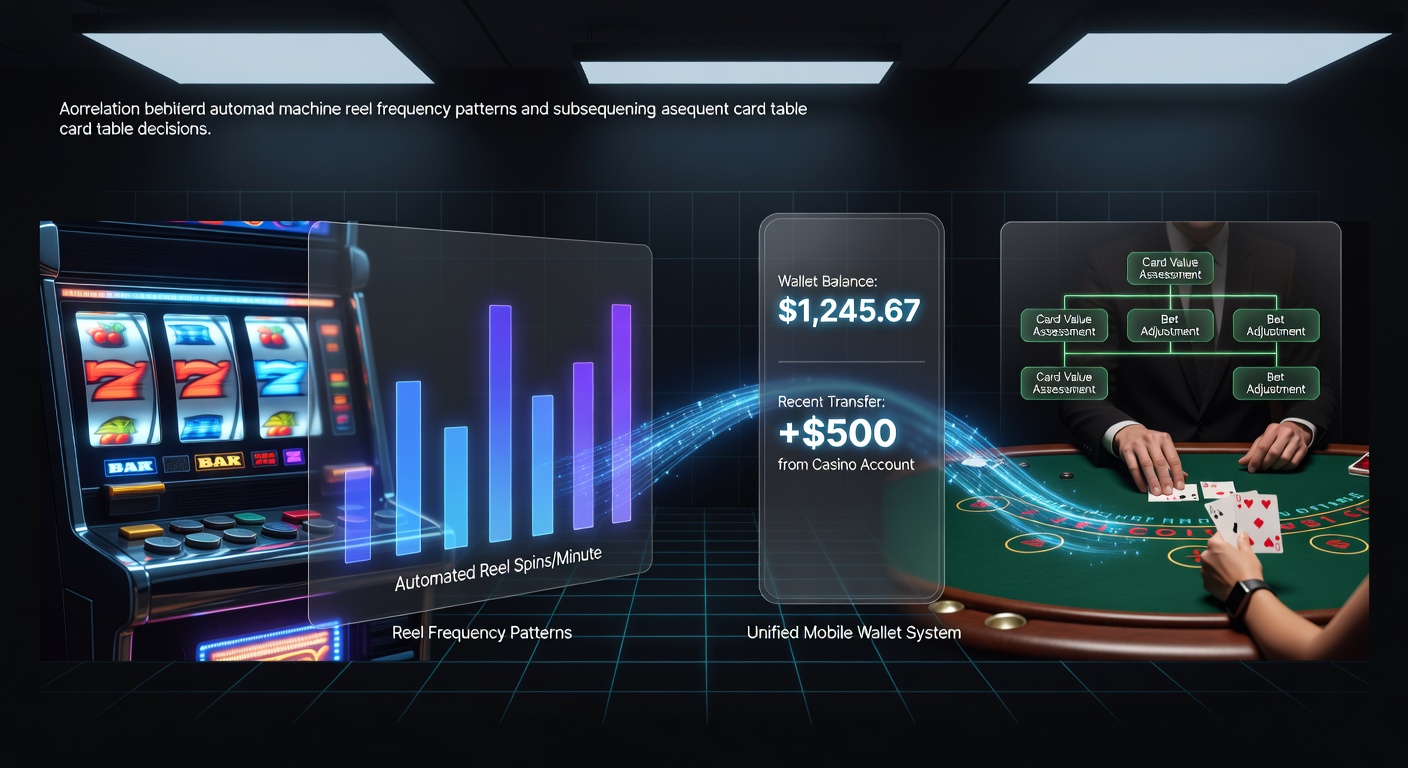
Research institutions have begun examining how reel frequency patterns generated by automated slot machines correlate with player choices during subsequent sessions at card tables, and unified mobile wallet systems serve as the primary conduit for this data integration across platforms. These studies track transaction timestamps, bet sizes, and outcome sequences from slots before players shift to blackjack or poker environments, revealing measurable links in behavior when the same digital wallet handles all activity.
Analysts at various universities compile datasets from casino operators that employ centralized wallet technology, allowing researchers to align slot reel event logs with table game actions without relying on separate loyalty cards or manual records. Data shows that certain reel stop frequencies, particularly those involving high-volatility symbol clusters, precede adjustments in table bet spreads or folding rates in follow-up play periods.
Data Collection Frameworks Across Integrated Platforms
Casino networks in multiple jurisdictions provide anonymized logs to academic teams, and these records include precise timestamps for each reel spin alongside wallet-initiated transfers to table chip purchases. Observers note that the process captures sequences where players encounter specific reel patterns before moving to card tables, creating traceable pathways through the shared financial system.
One study conducted over a twelve-month period examined more than 2.4 million slot sessions paired with table game records, and results indicated statistically significant shifts in player aggression levels at tables following exposure to particular reel frequency clusters. Researchers cross-referenced these patterns against mobile wallet balance fluctuations to isolate the influence of recent slot outcomes.
Key Patterns Identified in Multi-Venue Analyses
Findings from collaborative projects between North American operators and European research centers demonstrate that players who encounter elevated reel hit frequencies on automated machines tend to increase their average wager sizes at card tables within the same gaming session. Wallet transaction histories confirm the timing of these transitions, showing direct fund movements from slot credit balances to table buy-ins without intermediate cash handling.

Additional work from Australian gaming research groups has focused on low-frequency reel patterns, and those investigations found corresponding conservative betting adjustments during later poker or blackjack rounds. The unified wallet infrastructure enables this level of granularity because every transfer carries metadata that links prior machine activity to current table decisions.
Integration of Mobile Wallets in Behavioral Tracking
Unified mobile wallet platforms record not only monetary transfers but also session continuity markers, allowing correlation models to account for the exact interval between slot play and table participation. Industry reports from the Nevada Gaming Control Board highlight how these systems reduce data fragmentation that previously limited cross-game analysis.
Studies scheduled for presentation at international conferences in May 2026 will expand on these models by incorporating real-time wallet API feeds from additional resort properties, and preliminary abstracts suggest stronger correlation coefficients when geographic and demographic variables are layered into the datasets.
Regional Variations in Study Outcomes
Canadian provincial regulators have contributed anonymized datasets showing similar reel-to-table linkages, though effect sizes vary by game type and wallet adoption rates. Meanwhile, analyses from Singapore's regulatory framework emphasize the role of wallet-imposed session limits in moderating the strength of observed correlations between reel patterns and table decisions.
Academic papers published through the University of Nevada Reno detail algorithmic approaches that predict table game adjustments based solely on preceding reel frequency metrics pulled from wallet logs, and validation tests across multiple properties confirm predictive accuracy above baseline models that ignore machine data.
Conclusion
Current research establishes measurable connections between automated machine reel frequencies and later card table choices when unified mobile wallets consolidate the transactional record, and ongoing projects continue to refine these models with broader datasets. The integration of these systems provides researchers with previously unavailable visibility into sequential player behavior across distinct gaming formats.