Correlating Mobile App Session Durations with Adjustments in Live Dealer Game Selection Patterns Across Integrated Casino Properties
Alex Neumann · Jul 12, 2026
Correlating Mobile App Session Durations with Adjustments in Live Dealer Game Selection Patterns Across Integrated Casino Properties
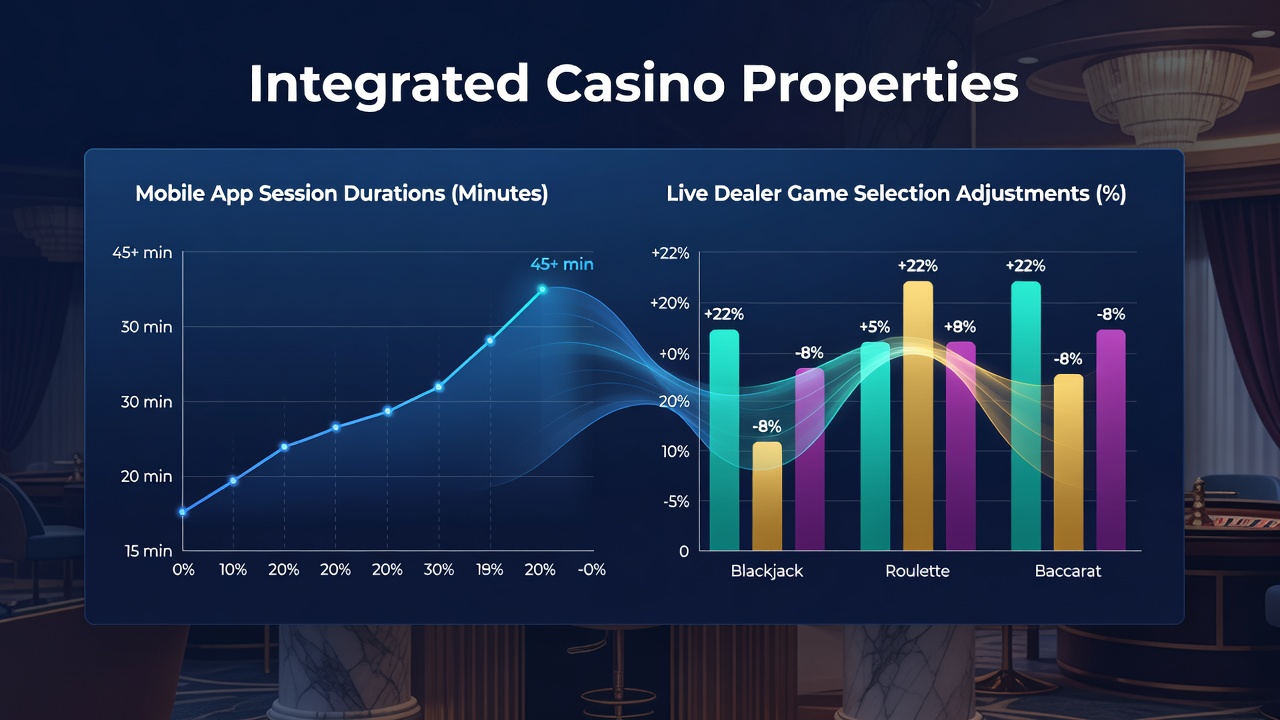
Integrated casino properties now track mobile app session durations alongside live dealer game selections through unified player accounts, and data collection systems reveal measurable connections between extended mobile play and subsequent table game adjustments. Operators deploy these tools across slot floors, sportsbook areas, and live dealer studios to monitor how time spent in apps influences choices at blackjack, roulette, and baccarat tables. Studies conducted by research teams at the University of Nevada Reno indicate that sessions exceeding 25 minutes on mobile platforms often precede shifts toward lower-stakes live dealer options in destination properties.
Data Integration Across Platforms
Casino management systems combine mobile wallet activity with on-site RFID table tracking, which allows analysts to map session length directly to game-type transitions. Properties in Las Vegas and Atlantic City implemented these linkages during 2025 upgrades, and reports from the Nevada Gaming Control Board show increased adoption rates through mid-2026. Longer mobile sessions correlate with players favoring live dealer games that offer slower pacing after initial high-volume slot engagement, while shorter app bursts frequently lead to faster roulette selections once patrons reach physical tables.
Observed Patterns in July 2026 Reports
July 2026 data releases from multiple integrated resorts highlight seasonal spikes where mobile session durations above 40 minutes align with increased participation in live dealer blackjack variants. Analysts at properties operated by major groups note that these patterns hold across weekday and weekend cohorts, with bankroll tracking tools confirming the links without requiring manual input from staff. What's interesting here involves the role of loyalty point accumulation during mobile play, which appears to prompt game-type adjustments once users cross certain thresholds at destination properties.
One study from the Canadian Gaming Association examined 12 integrated sites and found that players averaging 18-minute mobile sessions tended to select live dealer poker tables at higher rates than those with briefer interactions. Unified account systems feed this information into real-time dashboards, enabling floor supervisors to anticipate demand shifts in dealer staffing. And data from these efforts shows consistent trends across properties that share the same backend software providers.
Regional Variations and Tracking Methods
Properties in Macau and Singapore adopted similar correlation frameworks earlier in 2026, while Australian venues reported comparable results through partnerships with academic researchers. External links to industry reports, such as those published by American Gaming Association, provide aggregated figures on session-to-selection correlations without naming individual operators. Observers note that these methods rely on anonymized datasets to maintain compliance with regional privacy standards.
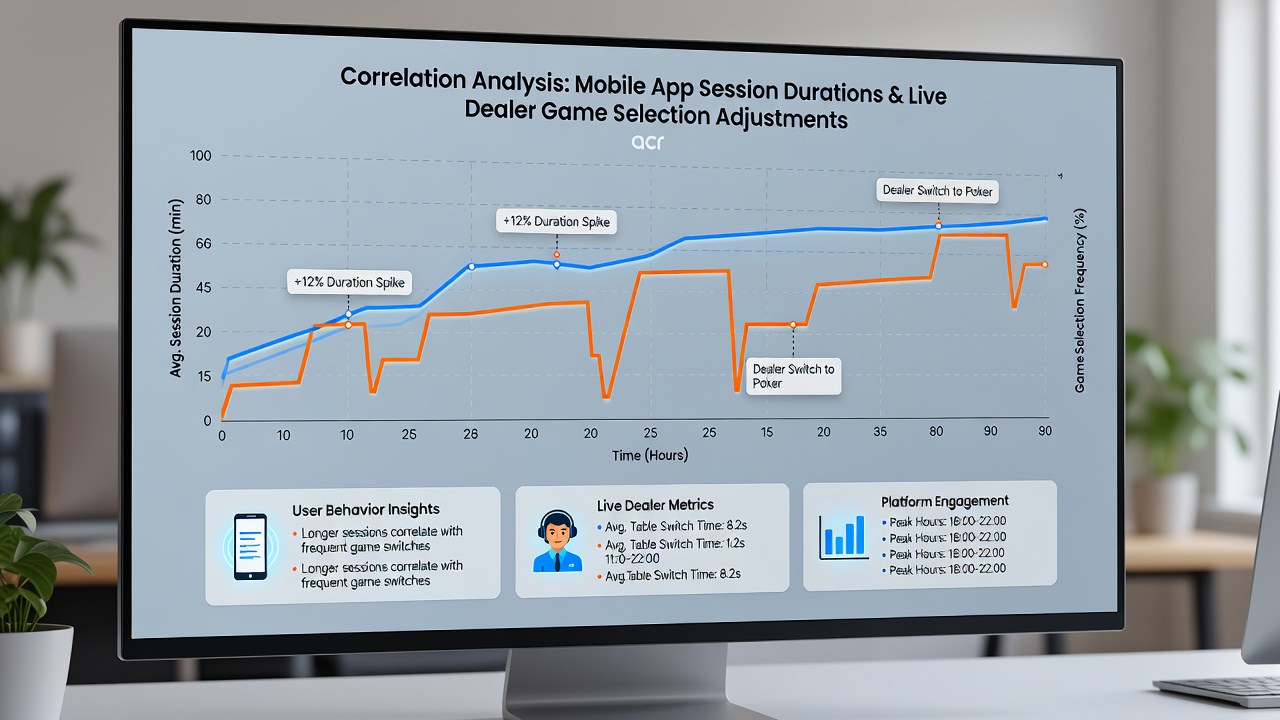
Researchers discovered additional layers when examining how promotional triggers within apps influence later live dealer decisions. For instance, bonus notifications received during extended sessions often precede switches to specific table minimums once players arrive on-site. Those who've examined the datasets point out that integrated properties gain operational efficiencies by aligning dealer rotations with these predicted patterns.
Technical Implementation Details
Backend platforms use API connections between mobile applications and table management software to log timestamps and game selections in sequence. This setup supports queries that isolate duration variables and measure their impact on selection probabilities across thousands of player profiles. Evidence from pilot programs launched in early 2026 demonstrates that such correlations improve table utilization rates when operators adjust staffing schedules accordingly.
Future Developments in Unified Tracking
Additional integrations scheduled for late 2026 aim to incorporate biometric data points from mobile devices to refine these correlations further. Industry organizations continue to publish guidelines that help properties standardize measurement approaches while preserving player anonymity in reporting. What's significant is how these evolving tools allow for cross-property comparisons that reveal broader trends in player behavior across different regulatory environments.
Conclusion
Correlations between mobile app session durations and live dealer game selections continue to shape operational strategies at integrated casino properties worldwide. Data gathered through 2026 illustrates consistent patterns that operators use for staffing and game availability planning. As tracking technologies advance, these connections provide measurable insights into how digital engagement translates into physical table activity across multiple jurisdictions and property types.