Charting Loyalty Tier Escalations from App-Based Reel Sessions to Synchronized Dealer Table Entries Across Multi-State Resort Networks
Otto Günther · Jul 23, 2026

Charting Loyalty Tier Escalations from App-Based Reel Sessions to Synchronized Dealer Table Entries Across Multi-State Resort Networks
Integrated resort operators have expanded loyalty frameworks that link mobile app activity directly to live table participation, and these systems now operate across multiple states through unified player accounts. Players begin with reel sessions on smartphones, accumulate points that determine tier status, and see those standings reflected at dealer tables without separate enrollment steps.
Data from multi-state networks shows tier escalations occur when cumulative play metrics cross defined thresholds, and mobile reel activity contributes alongside table game entries. Operators synchronize these elements through centralized databases that update in real time, allowing a session started on an app to influence seating priority or comp eligibility at a distant property in another jurisdiction.
Mobile Reel Sessions as Entry Points
App-based reel sessions generate initial loyalty data points through tracked spins and wager amounts, while built-in tracking tools record session duration and bet frequency. These metrics feed into tier calculation algorithms that operators adjust periodically based on network-wide performance indicators.
Observers note that many programs assign higher point values to certain reel games during promotional windows, and this approach encourages consistent app engagement before players transition to physical venues. Synchronization protocols ensure the points earned carry forward when users check into resort properties, eliminating manual transfers.
Transition to Synchronized Dealer Table Entries
Once tier status activates from mobile play, the same profile governs access at dealer tables where staff scan player cards or use linked mobile wallets to confirm eligibility. Systems adjust table minimums or offer pace-of-play modifications according to the player's current standing, and these adjustments apply uniformly across connected locations.
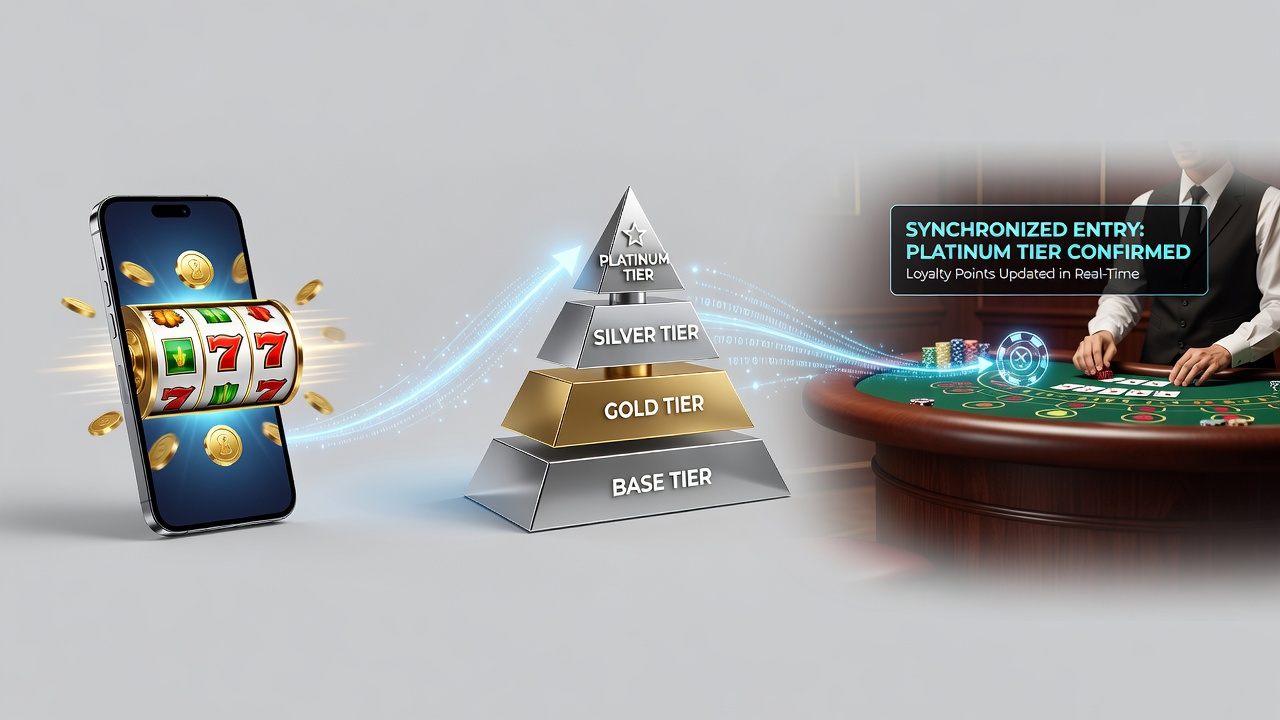
Resort networks in states such as Nevada, New Jersey, and Pennsylvania have implemented shared platforms that allow a tier achieved through reels in one location to determine benefits at tables in another. The process relies on encrypted data exchanges that maintain compliance with each state's regulatory requirements while preserving a single player record.
Multi-State Network Operations
Multi-state operators manage loyalty escalations by maintaining central servers that aggregate data from all properties and apps, and this infrastructure supports real-time updates even during cross-border travel. In July 2026 several networks completed upgrades to these servers, improving latency for tier recalculations triggered by combined reel and table activity.
According to the American Gaming Association, integrated systems now cover more than 40 properties across eight states, enabling seamless tier progression for players who alternate between mobile sessions and live dealer tables. Regulatory filings indicate that data sharing protocols undergo annual audits to verify accuracy and security standards.
Those who study these networks point to examples where a player reaches an upper tier through extended reel sessions on the app, then receives immediate recognition at a blackjack table hundreds of miles away. The synchronization reduces wait times for comp approvals and allows dealers to reference the player's tracked preferences without additional queries.
Data Tracking and Tier Mechanics
Tier mechanics rely on weighted formulas that combine reel spin volume with table game duration and average wager size, while bonus multipliers apply during designated periods to accelerate escalations. Mobile wallet integrations record each transaction and feed the figures into the central system within seconds of completion.
Research from industry reports indicates that networks using unified accounts report higher retention rates for players who move between digital and physical formats, because the tier status remains consistent regardless of location. Operators publish these metrics in quarterly summaries that detail point thresholds and corresponding benefits at each level.
Conclusion
Loyalty tier systems continue to evolve as operators refine the connections between app-based reels and synchronized table entries, and multi-state networks provide the infrastructure that makes these escalations practical. Players experience continuous status recognition while operators maintain compliance through audited data protocols, resulting in operational frameworks that span multiple jurisdictions without fragmentation.