Behavioral Indicators from App Interactions Predicting Success Rates at Physical Poker Tables
Alex Neumann · Jul 14, 2026
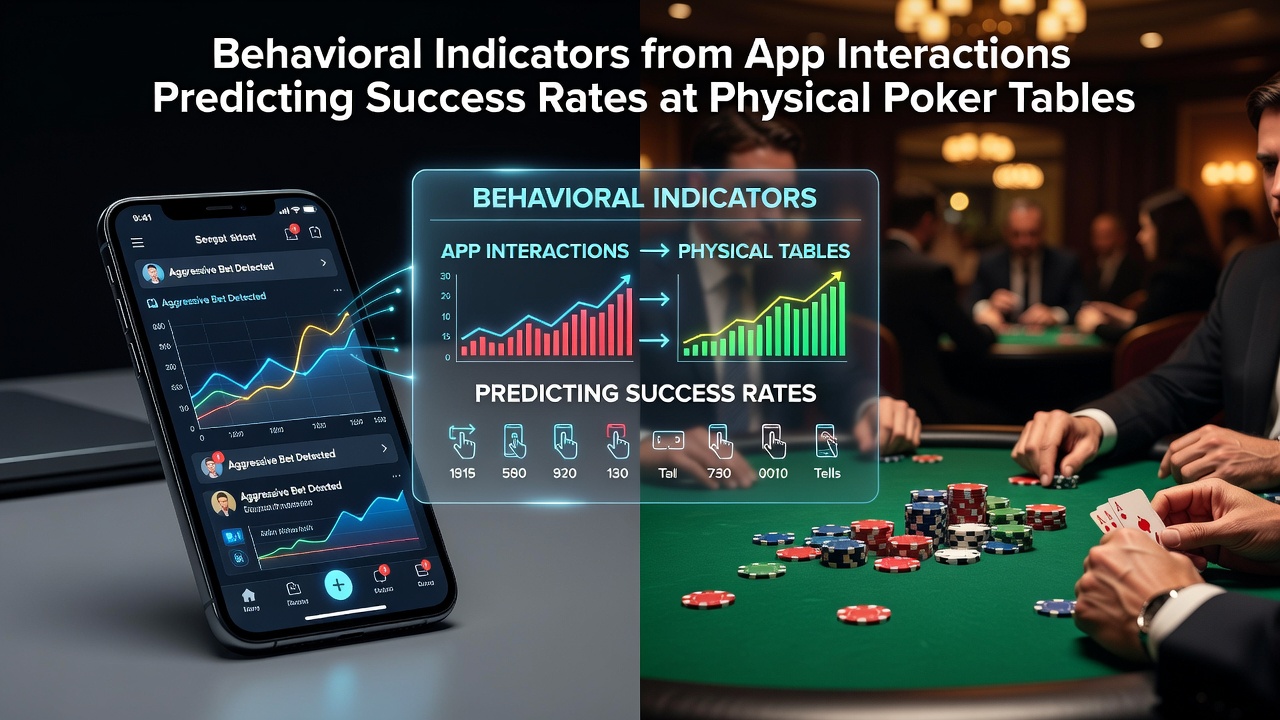
Behavioral Indicators from App Interactions Predicting Success Rates at Physical Poker Tables
App-based poker platforms collect detailed logs of user actions including decision latency, bet sizing adjustments, and session continuity patterns that researchers track to identify markers linked with performance outcomes at physical tables, and these digital footprints offer measurable signals because mobile environments capture precise timestamps and interaction frequencies unavailable in traditional observation methods.
Core Interaction Patterns Tracked in Mobile Systems
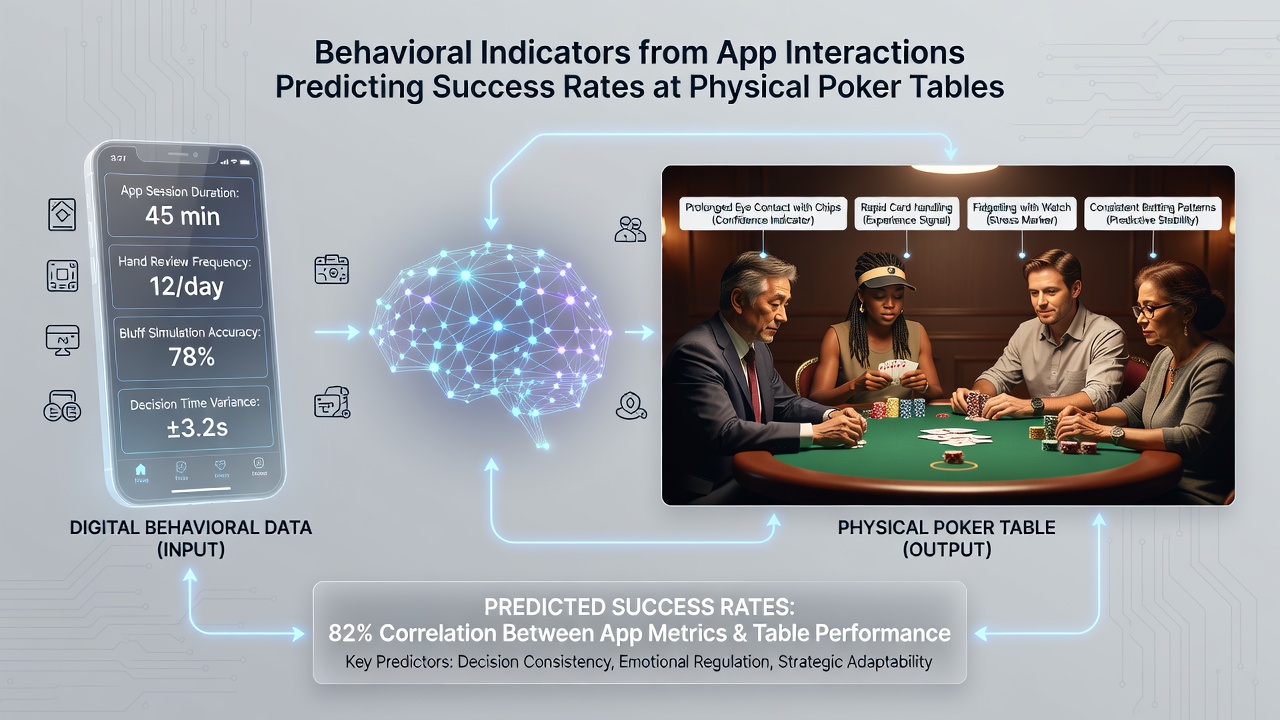
Decision speed serves as one primary indicator where players who consistently respond within narrow time windows on apps demonstrate higher win rates when transitioning to live settings, while those exhibiting variable pauses often show reduced adaptability under physical table pressure, and studies from the University of Nevada Reno have quantified these timing variances across thousands of sessions to establish baseline correlations with live tournament results.
Bet sizing sequences provide another layer because repeated patterns in raise amounts relative to stack depth on apps align with success metrics at casino floors, whereas erratic sizing shifts correlate with lower endurance during extended live play, and operators note that unified wallet systems allow seamless data flow between virtual and in-person environments to refine these predictions.
Session Structure and Risk Calibration Data
App users who maintain steady session lengths with controlled break intervals tend to sustain focus during live events lasting several hours, but those with frequent short bursts often struggle with concentration lapses at physical venues, and data aggregated through casino loyalty integrations reveals how these structural habits transfer across formats.
Risk calibration emerges through fold and call frequencies logged in mobile interfaces, where balanced aggression levels predict stronger positioning at felt tables, and analysts observe that deviations in these ratios during app play frequently precede similar inconsistencies in brick-and-mortar settings, particularly when multi-table mobile sessions mirror the complexity of live multi-way pots.
July 2026 Research Developments and Broader Findings
Reports compiled in July 2026 by international gaming research groups highlighted expanded datasets linking app-derived behavioral profiles with live success rates, and these updates incorporated inputs from regulatory bodies across North America and Asia that track player movement between digital and physical platforms, revealing consistent patterns in how pre-session app activity influences table entry timing and initial hand selection strategies.
Cross-platform tracking tools have advanced to map swipe gestures and screen interaction density against live outcomes, where denser engagement clusters on apps correspond to improved reading of physical tells and opponent pacing, whereas sparse interactions align with higher variance in real-world results, and such findings stem from collaborative efforts involving academic institutions and industry associations monitoring integrated resort operations.
Implementation Across Casino Ecosystems
Destination properties utilize these indicators to tailor player development programs because app interaction histories inform targeted coaching on live etiquette and bankroll pacing, while individual players access anonymized personal metrics through loyalty portals to adjust habits before attending events, and this approach reduces transition friction documented in multiple venue reports from regions including Australia and Canada.
Regulatory frameworks in several jurisdictions now reference behavioral analytics guidelines when evaluating responsible gaming tools, and these standards encourage operators to share aggregated non-identifiable data with research partners to refine predictive models without compromising privacy protocols, creating feedback loops that benefit both recreational and professional segments of the poker community.
Conclusion
Behavioral indicators extracted from app interactions continue to supply quantifiable connections to physical poker table outcomes through established metrics around timing, sizing, and session management, and ongoing data collection from diverse markets strengthens the reliability of these correlations for players seeking structured preparation pathways and for venues optimizing engagement strategies across digital and live formats.